
Carbon fiber is widely used in the manufacture of strong and lightweight parts. You can find it in cars, airplanes, bikes, and even in sports gear. It typically has a very high strength-to-weight ratio. This is why many industries prefer carbon fiber for modern designs and high-performance products. A carbon fiber release agent helps in the manufacturing process of carbon fiber products.
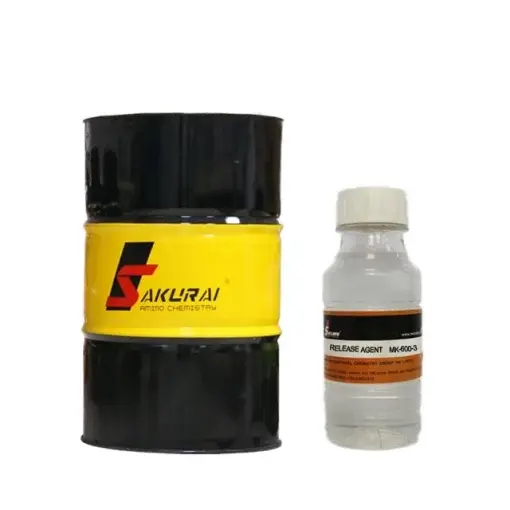
When making carbon fiber products, a release agent is very important. In short, it helps the finished product come out smoothly from the mold. Without it, your parts may stick or get damaged. It is also essential to use a high-quality carbon fiber release agent and to consider other factors during production. The result will be cleaner, faster production. Consider the SAKURAI mold release agent for the best outcome.
What is Carbon Fiber?
Carbon fiber is a strong and very lightweight material. These two special properties make this material ideal for use in many applications. It is made from thin strands of carbon atoms. These fibers are woven together and combined with resin to form a solid composite. Sometimes, carbon fiber is stronger than steel but lighter.
You may find carbon fiber products in many applications. Some popular products are car body parts, aircraft panels, bicycles, helmets, and sporting goods. You can also find it in drones, boats, or even in your phone cases.
There are various methods to make carbon fiber products. The most common ones are compression molding, vacuum bagging, and resin transfer molding. In this case, molding is the most commonly used method for carbon fiber products.
What is Carbon Fiber Mold Release Agent?
A carbon fiber release agent is typically a special type of mold release agent. Manufacturers use a wide variety of polymers to produce them. This variety of polymers yields different kinds of carbon fiber release agents. Examples of these include wax, semi-permanent, PVA, and so on.
Generally, these agents act as a non-stick barrier, as you know. But using high-purity wax leaves a small amount of residue (0.1 mg/cm²) even after curing at 200°C. On the other hand, PVA creates a water-soluble film over the mold and is suitable for detailed shape designs. Semi-permanent agents form a strong bond with the mold, prolonging its life cycle.
How does Carbon Fiber Release Agent Work?
Mold release agent for carbon fiber works by creating a thin layer between the mold and the molded part. It’s a non-stick barrier. You might question how it works. When the resin and carbon fiber fabric are placed in the mold, the agent prevents any chemical or mechanical bonding between the mold and the material. It is crucial for resin materials like epoxy, which have strong adhesive properties.
This separation is achieved only by lowering the mold’s surface energy. Lower energy reduces the likelihood of adhesion to the mold and hardening polymer. Once the resin solidifies, you can easily separate the product without damaging it. So, the demolding process becomes easier and more efficient.
Why Do You Need a Carbon Fiber Release Agent?
A release agent is almost a necessity for making carbon fiber products. As you know, when making the shapes of carbon fiber products, it is pretty normal that the material sticks to the surface of the mold. To avoid such a problem, you need something that can prevent it. That’s where carbon fiber release agent comes in handy. Additionally, there are several reasons why you should use a carbon fiber release agent.
Easy Demolding
The primary purpose of using a release agent is to ensure safe and easy demolding. This type of separation is vital for quick and effortless release. It also helps avoid deformation and saves time in every production cycle. Without it, resins may attach to the mold, causing tears, and can lock into the mold.
Protects the Mold
For high-quality carbon fiber tools, molds are expensive. They must require better releasing agents for operational work. In this case, using a carbon fiber release agent will help prevent scratches and corrosion. Overall, the releasing agent prevents direct contact and adhesion to the mold surface. So, you can rely on it for your safe extraction from the mold.
Improves Surface Finish
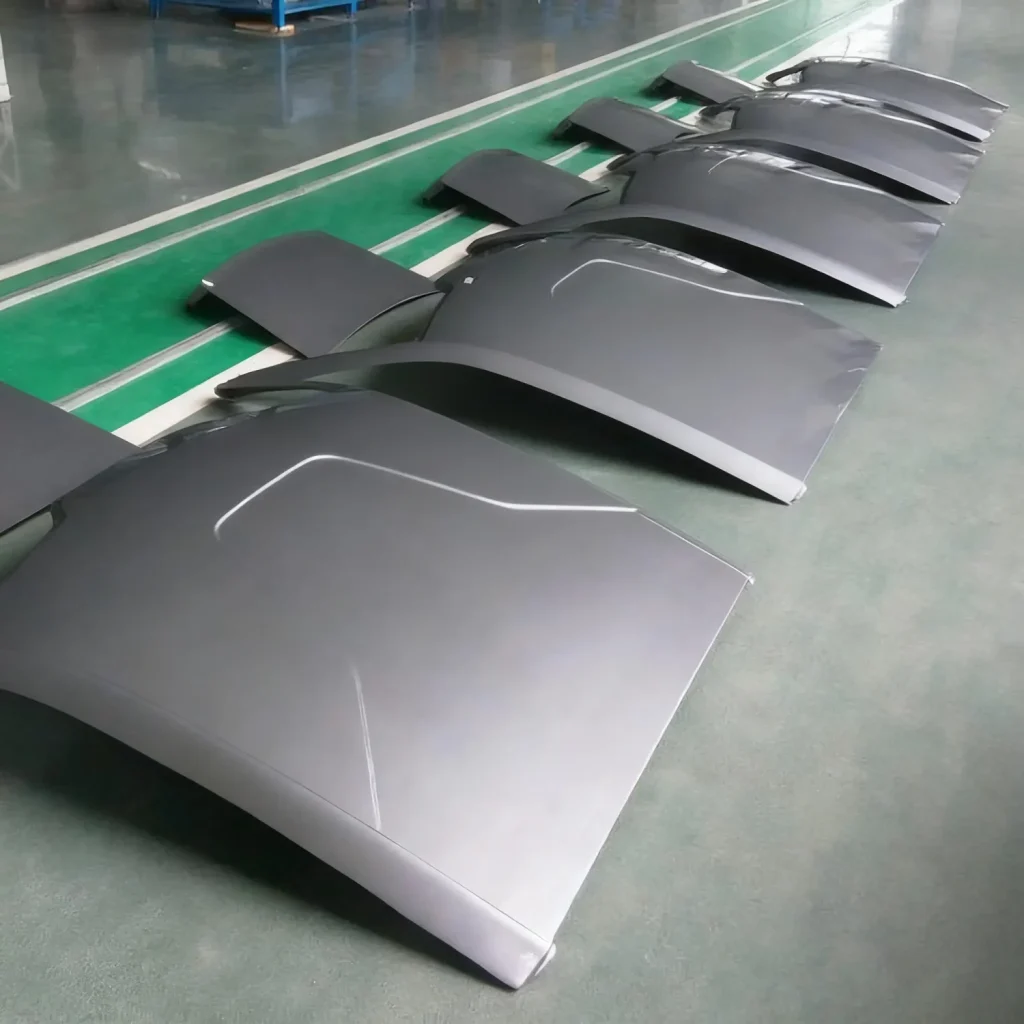
A release agent ensures a fine surface finish of the final carbon fiber product. It can easily prevent microscopic pits, blemishes, or “pull-out” areas. Moreover, it helps avoid defects, air marks, or surface roughness. This way, the agent minimizes the need for post-demolding processing. As a result, the molded parts have a polished, professional look.
Reduces Production Time
With a proper releasing agent, you can reuse the mold for a few production cycles—also, faster, easier demolding speeds up production lead time. Additionally, mold requires less rework, cleanup, and manual work. As a result, it allows the manufacturer to prepare the mold quickly for the next part.
Prevents Damage
The primary risk in composite molding is damage. Either the mold or the part can be damaged during extraction. Here, the releasing agent remains unavoidable. As mentioned before, it eases the extraction process. Therefore, both the part and the mold remain safe from damage like scratches and cracks.
Increase Efficiency
The benefits of using releasing agents include rapid demolding, mold protection, and less rework. Such abilities help streamline the entire process and improve quality. So, you do not need to compromise on the quality. Their consistency over the whole process reduces costs and maximizes the number of good parts.
How to Use Carbon Fiber Mold Release Agent
Before applying the carbon fiber release agent, thoroughly clean the mold. Remove all the dust and dirt from the surface using a clean, lint-free cloth. Thereafter, apply the agent to the mold surface and create a thin, even coating. For better results, make 3–4 thin layers, then let them dry before further application.
Contact Us for High-Quality Mold Release Chemicals
If you are looking for high-quality mold release agents, Amino Release Agents are world-class. At Amino Release Agent Factory, we produce these chemicals to international standards. Therefore, you can trust us for quality, services, and support.
