
Fiberglass molding products are durable and lightweight. The material is widely known as fiberglass-reinforced plastic or FRP. Working with fiberglass can be exciting, but one common challenge is achieving clean separation from mold. Without proper preparation, fiberglass often adheres to the mold. As a result, it may damage both the mold surface and the part. This is where a fiberglass release agent becomes essential.
A fiberglass release agent typically helps in releasing molding from the mold. It mainly creates a protective layer for them and ensures a smooth release process. This way, you can both save time and prevent costly rework.
Fiberglass is widely used in the marine, automotive, and construction industries. It is strong, lightweight, and durable. However, if fiberglass bonds too strongly to the mold, the production process becomes difficult. Sticking may lead to surface defects, cracks, or ruin the mold.
This article discusses how to prevent fiberglass from adhering to mold. It also teaches you how to apply the proper fiberglass release agent to the mold.
Why Does Fiber Glass Stick to Molds?
Fiberglass is a strong and lightweight material made from fine glass fibers combined with resin. It is durable and corrosion-resistant than other materials, like plastics. It is also very easy to shape. Fiberglass is widely used in boats, cars, and construction.
One common issue with fiberglass is that it tends to stick to molds in the molten state. This problem may damage both the mold and the part. To avoid this, use a fiberglass mold release agent or a mold release agent designed explicitly for fiberglass to ensure smooth and clean separation. However, there are two reasons why fiberglass sticks to molds.
Composition of Fiberglass and Its Properties
Fiberglass is a composite material made with tiny glass fibers and resin. Here, the glass fiber is silica-based and utilizes high temperatures to melt it. In some cases, people use additives such as alumina or lime, along with other chemicals, to strengthen glass. After that, these fibers are woven into a fabric or a mat.
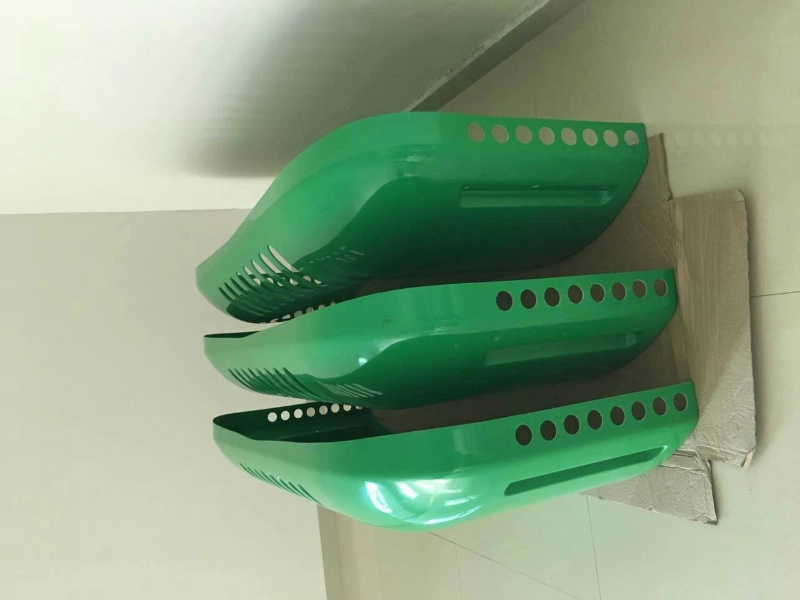
Fiberglass has some unique properties that make it ideal for use in many applications. It can resist rust, corrosion, and water, making it also suitable for long-term use. Additionally, fiberglass has high tensile strength and is lightweight. You can use it as an insulator for both heat and electricity. Such qualities are the reasons for its wide use for boats, car parts, and building materials.
The Role of Molds in Fiberglass Projects
One of the common ways to shape fiberglass is by molds. In fiberglass projects, they are the most essential part of the production journey. These molds act as the form or template for the final part. Makers apply wet resins or fiberglass into the mold, and it gives the shape of the final item. Without mold, it is challenging to achieve a consistent shape for every item.
Molds can be made of various types of materials—for example, metals, wood, and fiberglass itself. Molds made of wood are suitable for small-volume productions. They are less durable. On the other hand, fiberglass molds are the most chosen for large-scale projects. It provides precise results and can be utilized efficiently across multiple production cycles. Fiberglass is a common choice, which also captures fine details well.
Understanding Fiberglass Release Agent
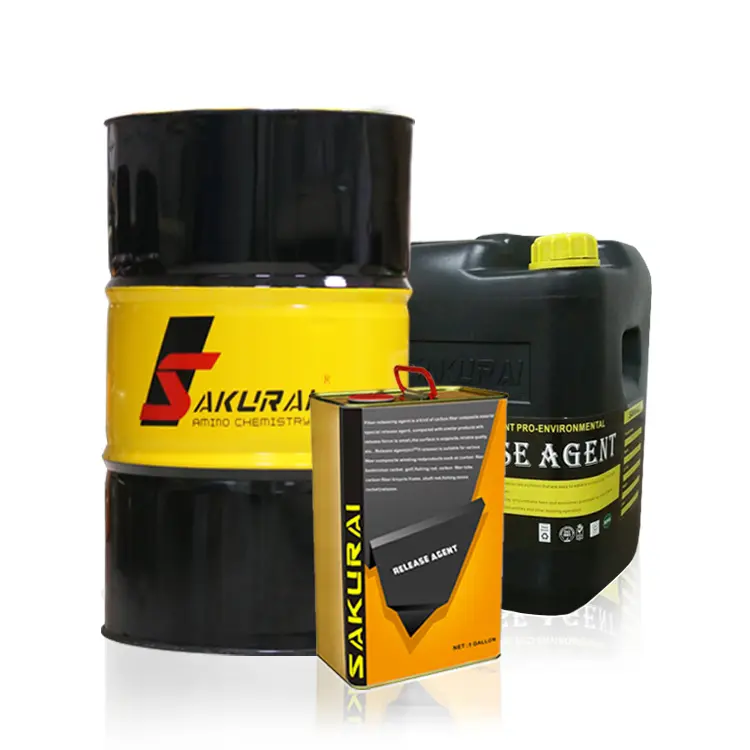
Fiberglass mold release agent is a special chemical coating agent. Before applying the fiberglass, use the release agent on the mold surface. The primary purpose is to create a barrier between the mold and the molding material. It prevents the fiberglass part from attaching to the mold.
If you don’t use a release agent, there are some consequences you might experience. First, your molded part may stick to the mold surface. It may damage both the mold and the part. If the part adheres to the mold, it is nearly impossible to remove the item safely.
How to Stop Fiberglass Sticking to Mold?
In fiberglass molding, following proper rules for molding and demolding is very important. Without the correct methods, your fiberglass parts can adhere to the mold, creating defects or even damaging it. Only using a fiberglass release agent or a release agent for fiberglass resin is not enough. You must know how to use it properly.
Properly Preparing the Mold Surface
A clean mold is the first step to getting a perfect part. So, you should first clean your mold. Remove any kinds of dirt, dust, oil, or old wax from the surface. To do this, you can use a specific mold cleaner or a mild solvent for the task. The surface must be completely free of any contamination. Even a simple peck can create an imperfect part from the mold, so be aware of it.
After cleaning, inspect the mold thoroughly. Check if any residue remains. It will help you achieve a smooth and glossy finish.
Properly Use Fiberglass Release Agent
Once your mold is prepared correctly, you must follow the step-by-step process to apply fiberglass release agent. Note that the quality of the outcome heavily depends on how you are using a fiberglass release agent. It not only prevents fiberglass from sticking but also extends the life of your mold.
Step #1: Inspect & Mix
Before applying the release agent for fiberglass, verify that you have selected the correct type of release agent. Even if you have the right kind, it is essential to verify the solution or mix for its specific use. Follow the manufacturer’s recommendations to avoid mistakes.
This step is crucial, primarily to minimize the risk of material waste. Conduct a test run before proceeding to final production.
Step #2: Choose Applicator
There are various types of applicators for applying the release agent. You can choose spray, brush, or dip. You must select the right type based on the material complexity, size, and kind of the mold. Whatever applicator you use, the primary concern is to ensure it is working perfectly.
You must compare which applicator produces the thinnest and most even layers on the mold surface. You must not use any applicator that leaves residues.
Step #3: Apply the First Coat
After selecting the applicator, apply the agent to the mold to create the first coat. Apply it with great care and make a thin layer on the mold surface. Use a steady stroke for full coverage. Make sure it covers all the area. Here, the first layer plays a significant role by protecting the mold surface. Do not allow the agent to pool or create streaks.

Step #4: Flash-off (Evaporation)
After applying the first coat to the surface, allow it to flash off. At this moment, the agent evaporates from the surface. This way, the wet surface soon becomes dry to the touch or feels slightly tacky. It only takes a few minutes to evaporate and dry. However, during this process, do not apply the second coat layer until it has adequately evaporated.
Step #5: Apply Additional Coats
Once the first coat is flashed off, you may proceed with further coatings. You can apply for two, three, or more coatings, depending on the requirements. But the entire process is the same. After every coating, wait for the flash-off time to pass. It will help you release the final parts gradually and safely.
Step #6: Heat Cure (if Necessary)
In some cases, you might need heat curing. Some release agents may take a longer time to dry. In such situations, you can use a heat cure to expedite the process. This step is usually beneficial for setting the release film properly and hardening it.
Regarding heat curing, it is best to follow the manufacturer’s guidelines, including temperature and time. You can also use a mold oven or a heat control source if needed. Thus, you can bring out the best output and longevity from the film.
Step #7: Cool & Inspect Fim
Once you apply the release agent to the mold surface, allow it to cool down. You can do it at room temperature.
Later, inspect the film thoroughly. It must be perfect, clear, and smooth. Check for any errors and noticeable streaks. If you find any, reapply the agent to the imperfect areas.
Step #8: Perform & Trial Demold
The most crucial part is performing and trial demolding. Before starting the full-scale production, test it on a small amount of fiberglass. Verify the product comes out as designed. Also, check if the agent is providing an easy and safe extraction of the parts.


Step #9: Start Production
Once you have achieved a perfect trial mold, you can proceed with full-scale production. You can now apply all the fiberglass layup to the mold. The fiberglass release agent will provide a reliable release from each mold, resulting in perfect finishing.
Applying for Fiberglass Release Agent Alternatives
If you don’t have the fiberglass release agent on hand, you may also consider some alternatives. Although these alternatives cannot offer you a good solution, they work.
You may consider using molding gel coats. It is a DIY mixture of household items, such as petroleum jelly, mineral spirits, isopropyl alcohol, or dish soap. You may also consider other options, such as PTFE sprays or fiberglass PVA release agents.
Looking for High-Quality Fiberglass Release Agent?
You may be seeking a reliable and high-quality fiberglass release agent. Amino is here. At our factory, we have ready stocks of fiberglass release agent. For samples or batch orders, feel free to reach our customer support team. We look forward to providing you with the best services.