
A single failed demolding can ruin a thousand-dollar mold. It may also ruin hours of production time. That’s why the chemistry behind release agents matters. If you are looking for a reliable mold release agent manufacturing factory, understanding the process is crucial.
Casting and molding are among the most popular techniques for making metal and plastic parts. From the auto industry to consumer products, these processes are essential. And here, a mold release agent plays a crucial role. Mold release agent manufacturing is not just a simple mixing process. It involves a step-by-step process of making smooth, durable, and stable releasing agents.
You might be wondering whether making mold release agent is profitable. Also, you might want to learn more about this process in a factory. This guide outlines the overall manufacturing process for mold release agents in a factory.

Mold Release Agent Manufacturing Process
In mold release agent manufacturing, you have to work with various chemicals, oils, water, and solvents. Handling each material also follows different rules and regulations. To get the best quality outcome, you must know how to handle them correctly.
High Quality Raw Material Selection
In general, there are hundreds of different types of releasing agents. Each of them also has different performance needs. Moreover, they all have different chemical compositions. Therefore, before making the agent, selecting the right raw material is a critical step.
The quality of the final product comes from quality raw materials. If you plan to build such a production line, you must ensure premium quality. This way, you can guarantee your customer better product performance and stability.
A release agent typically consists of three main components. Lubricants reduce the friction and allow smooth demolding. On the other hand, organosilicon compounds improve heat resistance and surface separation. Additives finally improve the stability. All three work together to offer a reliable releasing effect.
Raw Material Inspection & Lab Testing
After you have selected the raw materials, check them to ensure they are ready. Specifically, you have to ensure they meet technical and safety standards. If you ignore this step, the final product may have hidden defects.
In an organized laboratory, like in AMINO, every batch of raw material is tested. Common tests may include purity analysis, viscosity testing, moisture content testing, and compatibility testing. These tests also detect contamination or batch-to-batch variation.
Making the Formula & Raw Material Mixing
The formula design decides the final product type. It is the core technical stage of mold release agent manufacturing. Different applications typically need different formulas. For example, die casting needs high heat resistance. On the other hand, a plastic mold needs a good surface finish. Therefore, the formula must match the mold material and operating conditions.
You must carefully calculate the ratio for each raw material. Even small changes can affect performance.
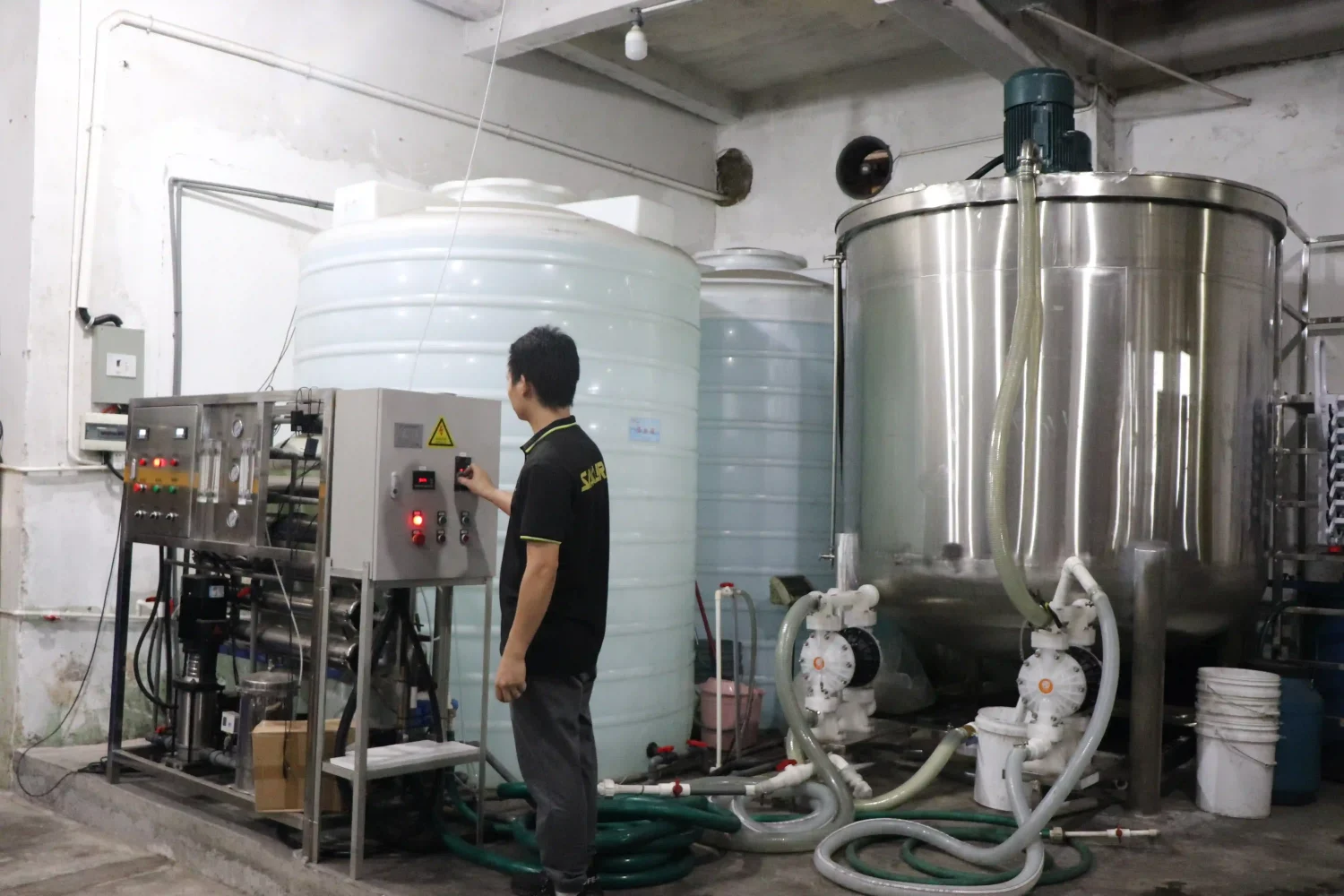
Once you have confirmed the formula, add the raw materials to the mixing vessel. Later, strictly monitor the mixing speed, temperature, and time.
While mixing the raw material, uniform mixing is also essential. Poor mixing may cause separation or uneven performance. Therefore, modern factories like AMINO utilize modern equipment. We can ensure the highest quality of the blending.
Emulsification
In mold release agent manufacturing, emulsification is a common term used. It mainly mixes things that usually don’t mix. A typical example you may count on is oil and water.
Emulsification typically allows oil-based material to mix evenly with water. This way, the releasing agent becomes more stable and straightforward to use.
For emulsification, you can use either high-speed mixers or a high-shear machine. They break the oil into tiny pieces. Later, adding the surfactants and emulsifiers ensures the bits remain evenly distributed. Throughout this whole process, keep an eye on the temperature and working time.
During this step, other chemical processes can also occur. Eventually, the reaction strengthens the bonding and makes the film more stable.
Important: You need to keep a close eye on the entire reaction. Lack of control can lead to separation or reduced effectiveness.
Finished Product Sampling and Quality Testing
After the production, the testing phase starts. This step is necessary to ensure your product meets the performance requirements.
You can take small amounts from each batch and test them for color, texture, pH, stability, and release rate. Check the heat resistance and dust levels to get the best quality. The settings in these tests are like those in real production.
You can also run long-term tests to verify that your product remains stable. At AMINO, only products that pass all tests are approved for sale. If any issue is found, the batch is adjusted or reprocessed.
Real-World Application & Verification
Before packaging, AMINO also conducts practical testing. This step typically connects laboratory results with real-world use. In this stage, you can verify whether your product is ready for real-world use.
You can apply the mold release agent to actual molds. You can choose from various methods, like spraying, brushing, or wiping. To learn more about the differences between spray and wax types, you can read the article “Mold release spray vs Mold Release wax.“
Before packaging, AMINO prepares the necessary certifications for the product. These certificates and test results are sent to the customer with the product.
Packaging and Storage
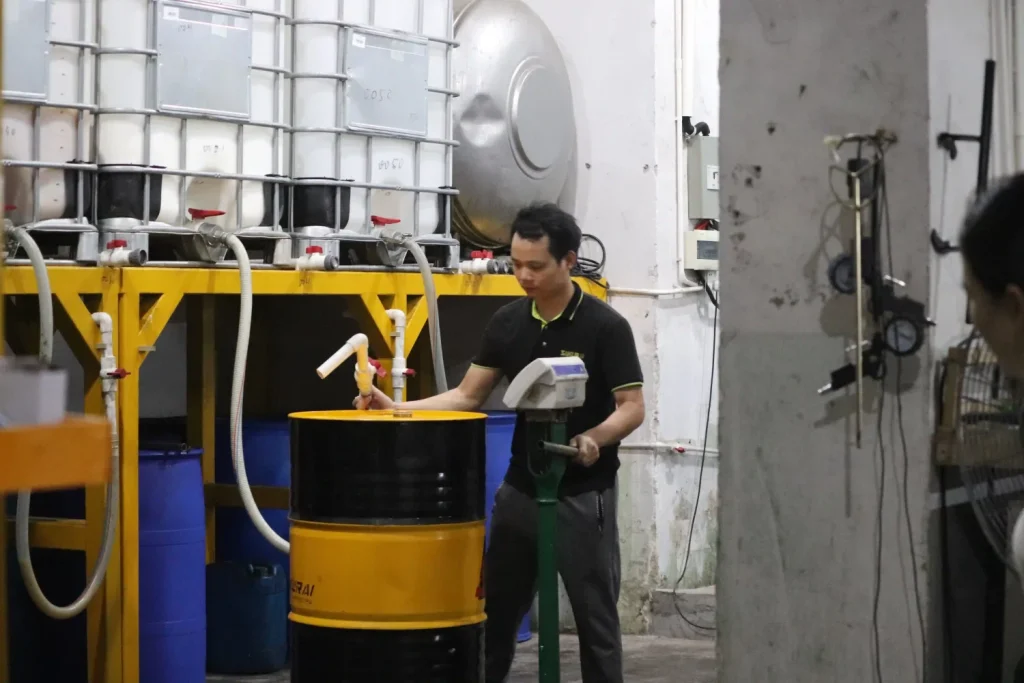
The last and final step in the process is packaging, sealing, and storage. Using the right packaging and labeling ensures your product reaches your customers safely. The packaging labels must include the required compliance texts.
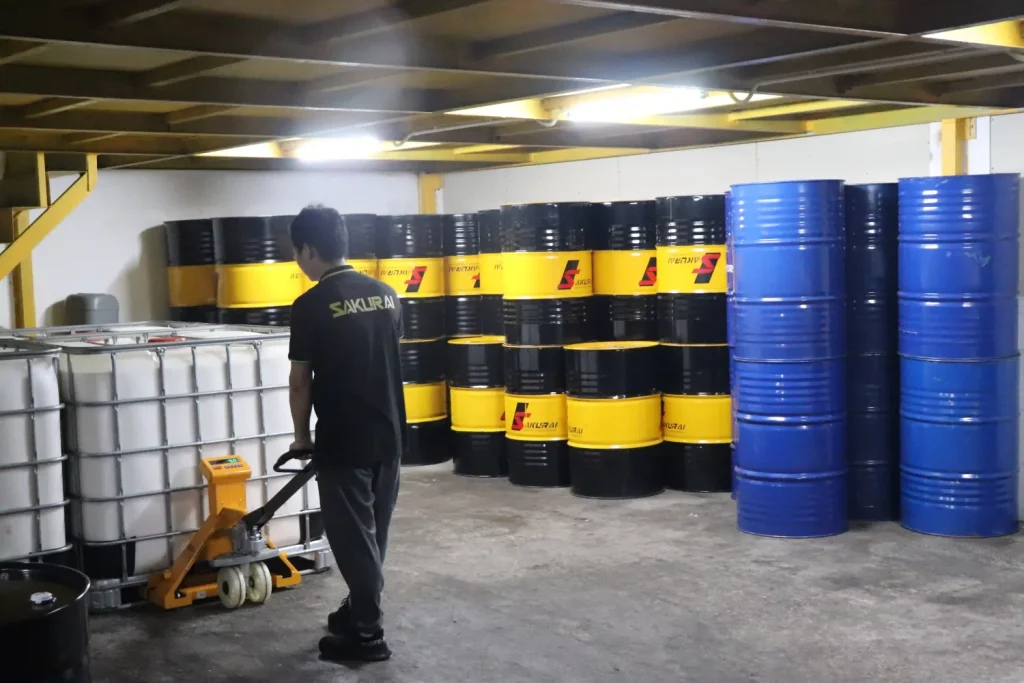
At AMINO, we use clean, sturdy packaging. Most products go into IBC tanks, metal cans, and plastic drums. Each jar is tightly sealed and labeled.
It is also important to store the mold release agent correctly. It needs to be kept somewhere cool and dry. Too much heat and direct sunlight may hurt the quality.
Contact Us Today!
Making a releasing agent is not just mixing things. It requires careful handling throughout the process. You must make sure you are choosing the right material, mixing at the right speed, and choosing the right emulsifier.
If you want to buy the mold release agent from a reputable company, AMINO might be a great choice. For more information, feel free to get in touch with our customer service team.