
Epoxy resin is widely used in molded products across various industries. From electronics to automotive, aerospace, and industrial equipment, all need epoxy resin products. Thanks to its excellent mechanical strength. Besides, its chemical resistance, dimensional stability, and strong bonding make it ideal for molding applications.
However, despite its many advantages, epoxy resin also comes with some limitations. One of the most common challenges in molding is the tendency for resin to stick to the mold surfaces. This sticking issue may affect part quality and slow down your production. If you don’t handle it properly, it may even shorten the mold service life.
This article will teach you how to clean epoxy resin from molds. It will also guide you on some measures to prevent epoxy resin from sticking in the future.
Overview of Epoxy Resin Products
Epoxy resin is a versatile material used in a wide range of industries. Its multiple properties are the main reason behind widespread applications. Typically, epoxy resins come in two-part systems. The system includes a liquid resin and a hardener. You have to mix these two components to initiate curing and form a strong, solid material.
Additionally, specialized epoxy resins are formulated for specific uses. For example, coating resins are made for thin-layer surface making. Casting resins, on the other hand, work well for deep applications and thick molds. For repair and gap filling, you may use epoxy putties. It is one of the best solutions for repair work.
Moreover, there are some other specially designed epoxy resins for specific uses. Examples include marine, industrial, and UV-resistant epoxies. Marine epoxy is used to resist salt or water for boat repair works. Industrial epoxies are used to withstand harsh chemical reactions. And UV epoxy prevents yellowing from sunlight.
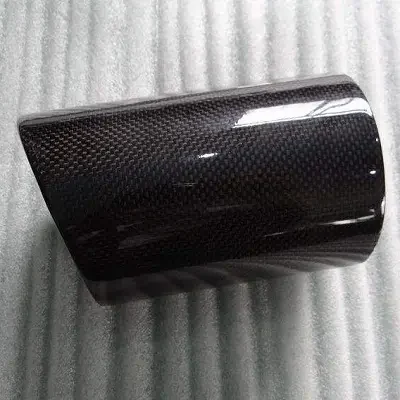
Therefore, epoxy resins are used in almost all sectors. From construction sectors and flooring systems to sensitive PCB boards or structural bonding, you can use it everywhere. It is also very common in consumer goods, such as Jewelry, crafts, furniture, and tabletops.
Understanding Epoxy Resin Behavior in Molds
Generally, epoxy resins work through chemical reactions. When you apply the resin to the mold surface, the chemical reaction known as polymerization begins. This process helps to transform the mixture from liquid to solid. When the resin cures, it generates heat. The heat mainly comes from the exothermic reaction. When applied to thicker molds, it may heat up rapidly, leading to cracks or damage.
The resin also shrinks as it hardens. It occurs because the molecules pack tightly during curing. When the liquid thickens in a deep mold, air bubbles can get trapped. To minimize the trapped air bubbles, choose a slow-curing resin. After chemical bonding, the reaction finishes and solidifies the layer.
Common Problems Caused by Epoxy Resin Build-Up
If not handled properly, epoxy residue tends to stick to the mold surface. And gradually, it builds up over time. This residue may seem minor at first, but it can quickly affect the quality of the molded parts. As the build-up increases, several issues begin to appear. The three most common problems are outlined below.
Poor Surface Finish
One of the most common epoxy resin build-up issues is showing poor surface finishing. You may often see an uneven surface layer on the mold walls. This extra residue sometimes acts like a imprint on the mold. Every tiny bump on the mold will transfer to the resin. As a result, the final surface appears duller and cloudier. You will lose the glossy, shiny finish for which epoxy resin is known.
In some areas, roughness and wear appear frequently. Furthermore, it becomes rougher and more uneven after curing. In this case, products often require post-processing to smooth their surfaces.
Difficult Demolding
Old resins are typically much stronger, which often works like glue inside the mold. Usually, it creates a strong bond between the mold and the new pour. You need to apply extra force to get the latest piece out. This force may cause damage or wear to the silicone mold. Also, it can damage the chipped resin edge.
As time passes, the build-up fills the mold’s tiny features. Thus, the resin gets stuck in that cleft. To pry them off, you may need small mechanical tools, which often crack the mold’s surface. It makes demolding difficult.
More Downtime and Cleaning Costs
So, you know what happens if you don’t clean up the epoxy build-ups. If you didn’t follow the proper procedure for handling epoxy resin, your mold may need frequent cleaning. This cleaning process often halts production and is time-consuming as well. You may have to spend hours doing it.
The production process also slows down and wastes your time. Sometimes people use chemical elements to clean surfaces. It may be costly for hobbyists.
On the contrary, replacing these molds is also expensive. Such build-up molds cannot be repaired easily. So, you will have to buy new ones.
How to Clean Epoxy Resin from the Mold
Cleaning the epoxy resin from the mold should be done promptly. And, of course, you must do it the right way. Delayed or improper cleaning prevents the resin from curing fully. As a result, it makes the removal much more difficult and increases the risk of mold damage. The recommended cleaning process consists of three stages.
Stage #1 Preparatory Cleaning
The first stage of cleaning starts with preparatory tasks. Although this stage is optional, it is the best practice for optimal cleaning.
In this stage, you will mainly check for debris, contaminants, or other stuff. The goal is to make the main cleaning easier.
Stage #2 Main Cleaning
Once you have removed all the debris, the main cleaning phase begins. You may need to use chemical solvents to break down resins. Use a clean, damp cloth mixed with 91% isopropyl alcohol. Now, rub it firmly onto the surface and dissolve the sticky film. Use a cotton swab for tight corners immersed with alcohol. Continue the process until the surface no longer feels sticky.
In case the resin starts to thicken, you can use special resin cleaners. Apply the resin cleaner and keep it for a while. It softens the bond between the mold and resin. Now you can easily wipe it off with a paper towel and ensure the surface is completely chemical-free.
Stage #3 Secondary Cleaning
Secondary cleaning is also considered optional. It mainly ensures no stubborn residue is left on the mold.
Use a small amount of warm water with mild soap to wash the mold. It removes any leftover solvents from the surface. Thereafter, gently scrub the surface with a soft sponge. Rinse thoroughly under running water.
Afterwards, dry the mold with compressed air. Don’t let it air-dry, as this could cause water spots to appear. Inspect the mold again in bright light for any remaining leftovers. If everything is okay, store it in a dust-free container. The mold is now ready for your next project.
How to Prevent Epoxy Resin from Sticking to the Mold
Cleaning the mold alone can’t fully resolve epoxy-sticking issues. Without proper prevention, the same problems will continue to appear. To achieve the desired result, you must take proactive measures in advance. In this case, there are three effective ways to prevent epoxy resin from sticking to the mold. Among them, applying the mold release agent is a must.
Apply the Epoxy Mold Release Agent
An epoxy mold release agent is a specialized chemical used to facilitate the release of molded parts. They form a chemical and physical layer between the resin and mold. It’s like a barrier between those two parts. These agents are available in a wide range of options, including sprays, liquids, and waxes. Without it, the resins might bond to solid molds, causing damage during extraction.
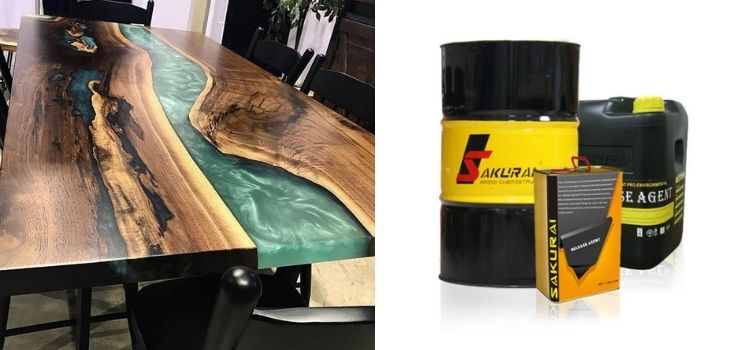
The release agent works by forming a non-reactive film that also lowers surface energy. When you apply it to the mold, it fills the tiny gaps and creates a smooth, uniform layer. It prevents resins from filling gaps. When resin cures, it can be easily removed from the mold without applying additional force.
Generally, you can find two significant types of epoxy mold release agents: water-based and solvent-based. Each has its unique benefits and applications.
#1 Water-Based Epoxy Mold Release Agent
A water-based release agent uses water as their primary carrier. These agents are eco-friendly and free of harsh chemicals or other toxic elements. Such features make them reliable for use in small workshops or in schools. Water-based agents are also known for their non-flammable property. They are far safer and easier to store. Most people prefer them because they are less harmful to health.
#2 Solvent-Based Epoxy Mold Release Agent
Solvent-based release agents use various chemical elements as their primary carrier. Generally, they utilize different types of hydrocarbons and alcohol. These agents can dry much faster and can form thin layers easily. They allow you to pour material almost instantly, and the thin films are highly durable, lasting for a few cycles. They are also effective at preventing sticking in high-heat conditions. Their primary purpose is to capture every tiny detail of the mold.
Optimize Mold Surface Condition
To optimize the mold, you have to follow strict protocols. Always keep the mold clean and smooth. Remove dust, grease, or old resins regularly before use. Polish the mold if necessary and avoid scratches and damage. You can use a soft cloth for this work. A clean, functional mold is always essential for an optimal outcome.
Control the Molding Process Parameters
When starting the process, monitor the temperature of your workstation. Avoid overheating, as it can cause extreme adhesiveness of resins. Mix epoxy in accurate ratios. Pour the resin slowly into the mold to avoid air gaps. Control the curing time and environment. Remember, a stable process prevents clinging and facilitates the demolding.
Summary
Epoxy resin tends to stick to the mold surface, which makes the production process more difficult. However, it is excellent material for a wide range of products. With the right techniques, you can overcome difficult situations.
Cleaning epoxy resin from the mold surface is generally done in three stages. Follow all these guides step by step to ensure you are fully ready for final production. Cleaning the mold is not all. You must ensure that, in the future, the epoxy resin build is significantly reduced. To do this, you can optimize the mold surface. Or you can control the molding process. However, the best practice is to apply epoxy mold release agents.
AMINO is a leading manufacturer of a wide range of mold release agents. One of their main products includes epoxy resin mold release agent. If you have any questions, feel free to reach out to us.