
Injection molding is a popular method for producing parts made of resin. This resin is poured into a mold in this production process. This resin sticks to the mold and contaminates it. Therefore, it is essential to clean the resin molds for their longevity. This raises a question: How to clean resin molds efficiently?
Remember, resin molds that are not cleaned do not perform optimally. Additionally, their lifespan is highly affected, and the molds remain dirty for an extended period. However, many seem to have no knowledge when it comes to resin mold cleaning. In this article, I will discuss how you can perfectly clean resin molds in industrial production. Let’s get started!
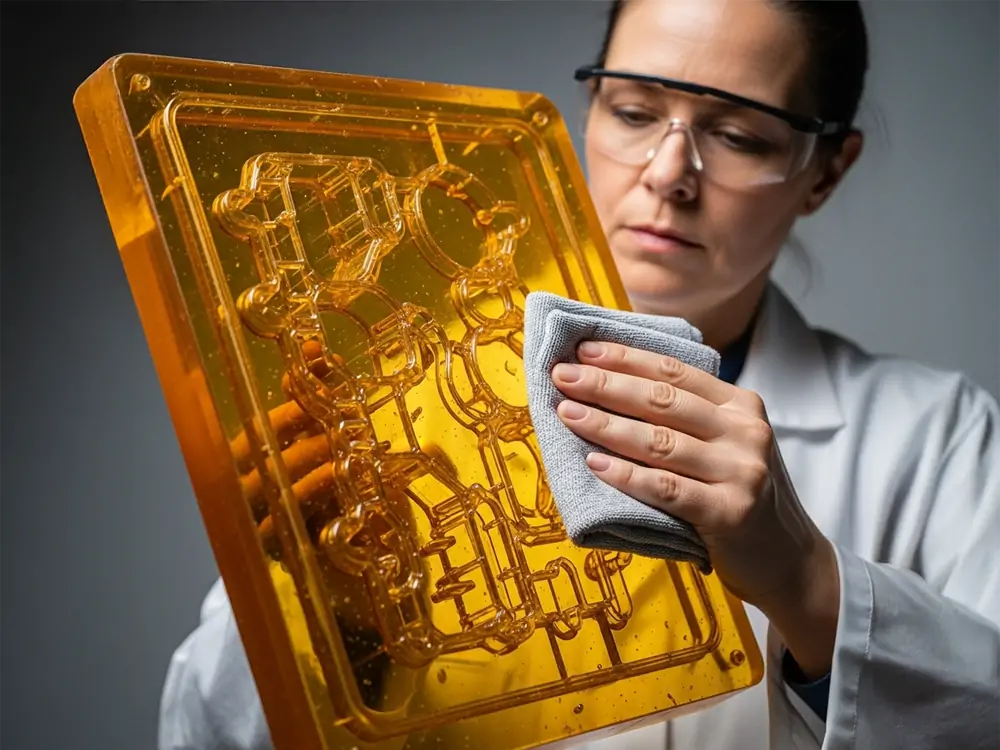
Why is the Cleaning of Resin Mold Important?
Let’s first understand why resin molds become dirty and why it’s essential to clean them.
Look, during injection molding, the resin (synthetic material) is poured into the mold. This material dries, adopts the shape of the mold, and yields the desired products. However, after each cycle, some resin leftover remains inside the mold. This leftover generally does not cure perfectly during the injection molding process.
Over time, these leftovers develop mold and start to accumulate. This leftover resin hardens and sticks to the mold. Eventually, they make the mold unusable. The reason is that the cavities of molds get filled with this buildup. Removing this hardened resin (leftover) is very challenging. However, if you don’t remove it, the mold won’t give the desired shaped product.
Even if you use this mold, the parts you will get will have the following issues:
- Surface bubbles
- Uneven surface
- Defective shape
- Structural flaws
Additionally, dirt and resin buildup also reduce the lifespan of the mold. For example, clean mold can last for several years. However, a dirty resin mold will become unusable within the first year. Therefore, it is essential to clean the resin mold. It will help obtain high-quality parts from that mold and also increase its lifespan.
Quick Highlight: We generally use mold release agents before pouring resin into the mold, right? Some people use these releasing agents to ensure that no leftovers are inside the mold, which is incorrect. It only helps in the easier ejection of parts from the mold after the curing process. In some cases, the releasing agent can also remain as a leftover inside the model along with the resin.
How to Clean Resin Molds Efficiently in Industrial Production?
Have you understood why cleaning of resin molds is essential? Interestingly, cleaning a resin mold is a relatively straightforward process if you have basic know-how. In the section below, I’ll explain the cleaning process in steps.
1- Assess the Mold and Resin Type
First, you should analyze the type of mold and resins used. There are different types of molds available that differ in terms of their materials. For example, some molds are made of metals, while others are made of silicone. Each type of material reacts to different chemicals and other parameters.
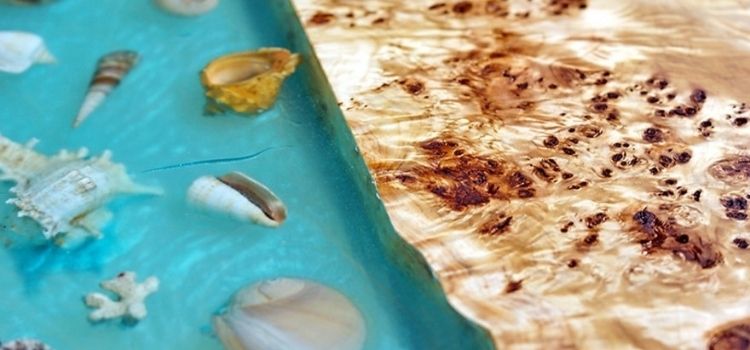
Additionally, metal molds are strong, and you can use harsh chemicals while cleaning them. On the other hand, silicone-made molds are sensitive. Therefore, it is advisable to avoid using strong solvents (such as acetone) and other harsh cleaning methods. Similarly, knowing the type of resin is also essential. Some resins are easy to clean, such as epoxy resin.
On the other hand, there are some resins, such as polyester resins, that are hard to remove. Therefore, you’ll need to use harsh chemicals or solvents to remove the resin from the mold. If you don’t understand the type of mold or resin, you’ll end up using the wrong cleaning technique. It would do more harm than good to your resin mold.
2- Remove Bulk Residue
Once you have assessed the mold type, it is time to remove the first bulk residue. As I mentioned earlier, resin leftovers in the mold begin to accumulate. Sometimes, these built-up contaminants are huge and prominent. First, remove this buildup using the appropriate tools. I don’t recommend using metal tools to remove these hardened builds.
The reason is that metal tools can also scratch the mold’s surface. Therefore, use a plastic scraper to remove the visible resin buildup. Remember, be cautious when removing this buildup. If they are very stubborn, don’t use a harsh approach and use tools gently. Your aim should be to remove resin residue without scratching the mold.
3- Quick Surface Cleaning Using Wet Wipes
Once the prominent resin residue is removed, the next step is to clean the mold surface. For this, I recommend using wet wipes to remove all dirt, dust, or stickiness. Additionally, wet wipes also help remove the semi-cured resin present on the mold. Generally, people use water for damp wiping. However, I recommend using alcohol-based wet wipes.
They are perfect for removing stains, stickiness, and small resin leftovers. Additionally, using these alcohol-based wet wipes is safe for silicone or plastic-made molds. If you have a silicon mold, then you should rub the alcohol-based wines harshly on the mold. It can damage the mold’s surface. You should be gentle and ensure all sides of the molds get cleaned.
Quick Highlight: It is noteworthy that alcohol-based wipes are safe for all types of mold. However, for plastic and silicone molds, you should gently rub the wipe on the surface. For metal molds, there are no restrictions on how you use the wipe. If you see any stubborn stickiness on the metal mold, you can rub the wine on it and remove it.
4- Prepare a Soapy Water Solution
The wet wipes (alcohol-based) will remove most of the resin, stickiness, and dirty stains. Once this step is done, prepare a solution of soap (detergent). Ensure that the detergent you use is safe for mold. Once the solution is ready, place the mold in the solution for at least 15 minutes.
This will weaken the stickiness of the resin present on the surface of the mold. After 15 minutes, use a sponge to scrub off the loose contaminants. If the mold has no stubborn resin buildup, this sponging will make your mold clean. However, if you still see some resin on the mold, you can then move to the next step.
Quick Highlight: Using soapy water and a sponge to clean mold is a faster and easier process. Therefore, I recommend that you clean the mold daily as part of your routine maintenance. This will help prevent the buildup of resin and other contaminants. Additionally, this soapy water is 100% safe for all types of molds.
5- Cleaning with a Brush & Freezer for Stubborn Cured Resin
Do you still see any sticky contaminants or residue from the resin? If so, brushing and freezing the mold will remove those sticky contaminants. First, use a soft-bristled brush to remove debris and contaminants gently. This won’t remove the sticky resin. Instead, it will clean the surface of mold from debris.
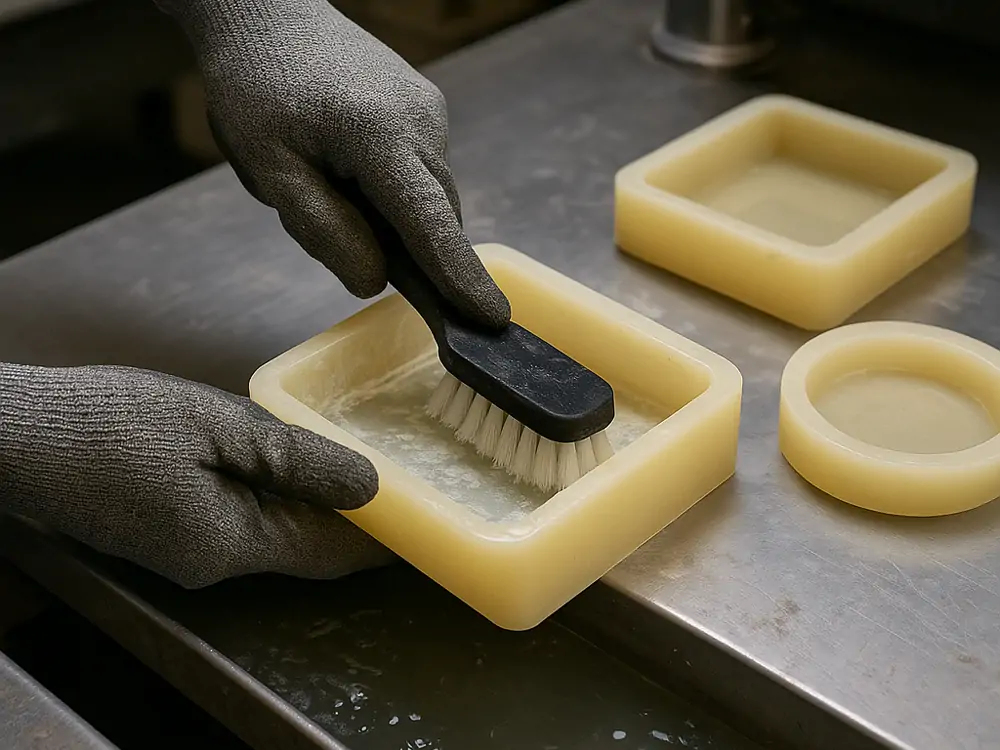
Once done, you should keep the mold inside the freezer for at least one hour. This technique may not sound realistic, but it works like a charm in cleaning the fully cured residue. When you put the mold in the freezer, the resin residue starts to contract due to the low temperature. This contraction loosens the residue.
In some cases, this residue can even become visible, allowing you to peel it off. Interestingly, this technique is more useful for silicon and plastic molds. When the cured residue contracts, it becomes weaker and easier to remove. So you won’t have to rub the residue off, which could affect the mold surface.
6- Apply Acetone or Industrial Solvent (When Necessary)
After soaking, freezing, or brushing, do you still see residue on the resin mold? If so, then you should use a strong acetone solution to remove this stubborn residue. However, it is noteworthy that acetone is a powerful and harsh solvent.
Therefore, it should be applied to the metal resin mold. Apply a small drop of acetone to a cloth and wipe away the residue. Remember, apply acetone only to the stain or residue. It will remove all the sticky buildup in no time.
However, I don’t recommend using this harsh chemical on silicone or plastic molds. It can damage the surface of these molds. Instead, use isopropyl or resin-safe cleaners for cleaning silicone or plastic molds. These cleaners are not very harsh but can still effectively remove the cured resin buildup.
7- Rinse Thoroughly, Apply Mold Release Agent & Store
Once you have applied acetone, then rinse the resin mold with mild warm water. This rinsing will remove applied acetone, resin residue, and detergents. As a result, your resin mold will be very clean. Remember, use water on all sides of the area, not just on the areas where acetone was applied.
Once done, you should dry the mold, especially if it is made of metal. Not doing so can cause rust or corrosion on the mold. Do you use mold in industrial production? If so, chances are high that your mold will be used more frequently. In such cases, I highly recommend applying a mold-releasing agent. These agents play a role in facilitating the easier demolding of the mold.
There are various types of mold-release agents. Selecting the right mold release agent is crucial. It directly impacts the final product’s quality and the efficiency of the demolding process. There are various types of mold release agents available. However, not all of them are suitable for every mold material and molding process. The key is to choose a mold release agent that is specifically compatible with your mold’s material. This ensures optimal release performance without damaging the mold or affecting any post-processing of your product. For example:
- If your mold is made from silicone, it’s best to use a mold release agent specifically designed for silicone molds. Learn more about silicone mold release agents.
- If your mold is made from plastic, you should opt for a dedicated plastic mold release agent. Discover more about mold release agents for plastic.
Properly matching the mold release agent to your mold’s material boosts production efficiency. It also extends mold life and ensures your product’s surface quality meets expectations.
How to Clean Epoxy Resin Molds?
Primarily, the procedure of cleaning all types of resins is similar. You’ll need to follow all the steps mentioned above for all kinds of resins.
Epoxy resin is especially sticky. It can be removed, but a sticky residue often remains on the surface of the mold. There are three main steps to follow when cleaning epoxy resin molds. Those include:
- Use alcohol-based wipes
- Use soapy water to remove stickiness
- Use acetone (a small amount) if the residue is stubborn.
If there is a slight residue of epoxy resin, it can be easily removed with alcohol-based wipes. After that, the soapy water will further smooth and clean the surface. However, if there is fully cured epoxy residue, then I recommend using acetone. Remember, this is a harsh solvent and should be used in small amounts. It will remove all the residue to make the epoxy resin mold perfectly clean.
Conclusion
Do I need to follow all the steps mentioned above to clean a resin mold? Ideally YES! If you use all the steps, you’ll be able to clean the resin mold perfectly. There won’t be any dirt or leftover residue. However, if you’re in a hurry, you can skip some steps. Additionally, it also depends on the conditions of the resin mold.
Imagine you have a resin mold that is not very dirty; in such a case, you can skip some steps and save time. However, if your resin mold has a stubborn resin buildup, follow these steps. In this article, I’ve discussed all the steps involved in the resin mold cleaning process. I hope this step-by-step process will prove to be a great help in cleaning resin molds effectively.