In the automotive industry, molds are widely used to produce a range of parts. Mold-release agents play a vital role in this process. These chemical coatings facilitate the easy removal of parts from the mold. Applications of mold release agents make this process safer and faster. They improve the finish of the parts and help to protect the mold.
Mold release agents are used on molds that help to shape rubber, plastic, foam, and composite materials. Without using them, the parts could tear or stick to the mold. Not applying them could also lead to extra cleaning. In a busy factory, that means delays and wasted materials. That is why these agents are used in manufacturing plants worldwide.
What are Mold Releasing Agents?
Mold release agents are specialized chemicals that facilitate the easy removal of parts from the mold. They work by forming a thin barrier layer between the mold and the material. This stops the material from sticking to the mold. As a result, parts release smoothly once they’ve taken shape.
These agents are used in many molding processes, including:
- Injection molding
- Compression molding
- Transfer molding
- Reaction injection molding (RIM)
- Resin transfer molding (RTM)
Remember, using the correct quantity of mold-releasing agent is key. If you use an agent excessively, it can leave residue on the surface mold. This residue buildup can affect the quality of the mold. Moreover, parts made in a mold with this resume won’t have a perfect shape. Therefore, you should remove the agent once you have completed production.
Applications in Automotive Parts Manufacturing
Mold-release agents are used in nearly every part of the manufacturing process. Here are the applications of mold in automotive parts manufacturing
1- Interior Plastic Parts
The interior parts of many cars, such as the dashboard and glove compartment, are made from molded plastic. Mold release agents help to create a smooth finish by reducing scratches and preventing defects on the plastic parts. This is especially important because interior parts are visible to the customer, and any defects can be easily seen.
2- Rubber Seals and Gaskets
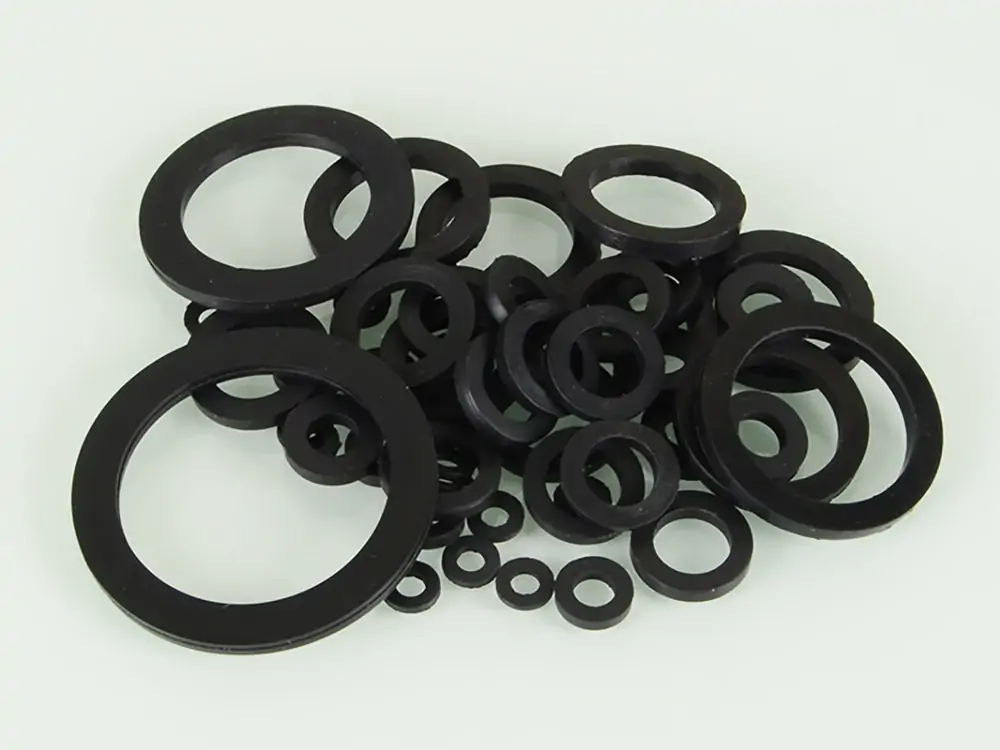
Rubber sticks easily, so release agents help remove the parts without tearing. They also prevent damage and reduce the need for cleanup. This also increases the mold’s lifespan. Manufacturers mold rubber parts such as gaskets under high heat and pressure. If you make a rubber seal in a mold without releasing an agent, the part may stick on the mold’s surface. Removing or ejecting it from the mold would be a challenging task.
3- Tires and Vibration Control Parts
Manufacturers make various parts that consist of rubber materials. Those parts, such as suspension mounts, are made through dedicated molds. Manufacturers use semi-permanent mold release agents in the mold when making rubber parts. They release eject parts more effectively and efficiently. These agents withstand heat and pressure and can last through multiple molding cycles.
4- Foam Seats and Cushions
Factories use polyurethane foam for making seats, headrests, and armrests. The foam expands inside the mold in reaction molding. Release agents not only keep the foam from sticking but also help the foam hold its shape. Some manufacturers are now opting for water-based agents for safety and environmental concerns.
5- Composite Body Panels
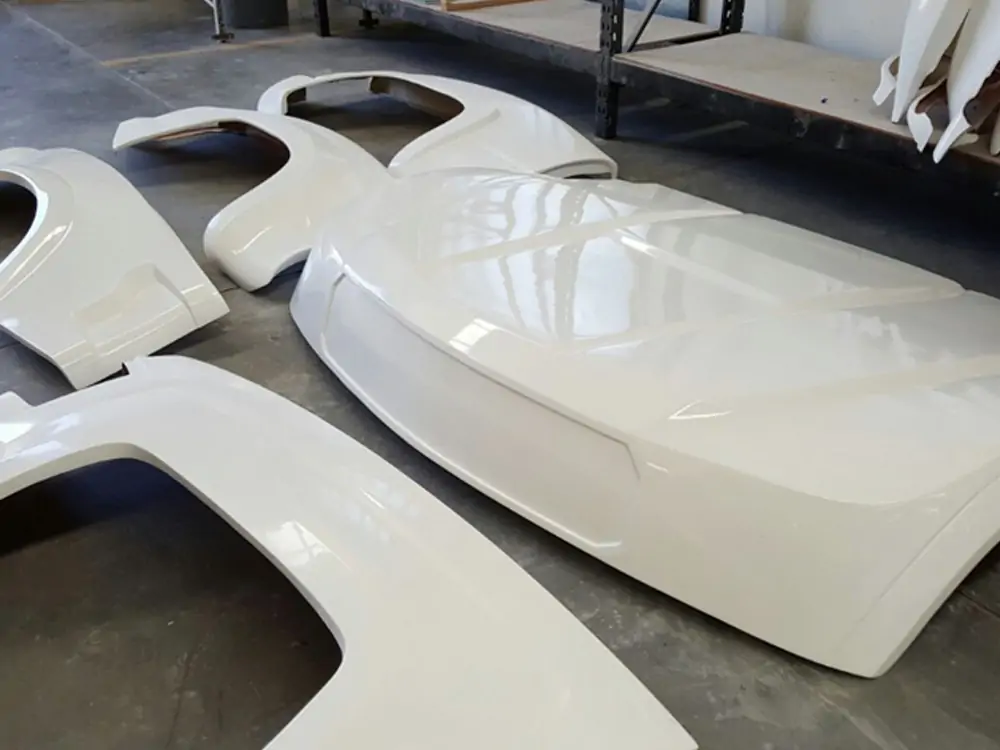
Lightweight parts, such as the trunk lids, bumper, and hood, utilize lighter materials like carbon fiber. Sometimes, the manufacturer mixes carbon fiber with some resin and uses this mixture to make these parts. This gives a part the desired strength while keeping it lightweight. Remember, these parts need resin-based molding methods. Mold-release agents protect the surfaces from damage when ejecting the part from the mold.
6- Interior Trim Components
There are many interior trim components made using molds. Those parts include the dashboard, door panels, center console, air vents, and more. During molding, their ejection from the mold can be tricky, as their size is generally larger. Therefore, manufacturers use mold-releasing agents, which make a big difference. It helps eject the part from the mold without defecting or damaging the part.
7- Lighting and Clear Body Parts
The lighting and clear parts need to be scratch-free and clear. If they have scratches, they won’t serve the purpose effectively. Generally, during the ejection of art from a mold, there is a high chance that scratches will appear on the surface of the parts. Therefore, manufacturers use release agents to prevent them from clouding and looking dirty. Suppliers use special formulas for these clear parts to leave no marks behind.
How to Apply Mold Release Agents Properly?
To achieve optimal results, workers must apply mold release agents correctly. If not applied correctly, some parts can adhere to the mold. If workers apply too much, then it is a waste of product. And if it is too little, it will not be able to do its job perfectly.
Some manufacturers use automatic spray systems to ensure an even application. At the same time, some manufacturers train workers to apply just the right amount of product. Manual application is also beneficial if the parts are small and complex. Proper application helps reduce waste and make the entire production process more efficient.
Frequently Asked Questions
What are mold release agents?
These are the chemicals or lubricants used on the surface of the mold. It helps prevent the sticking of molten materials (such as rubber or plastic) to the surface of the mold. It also helps eject the manufactured part more efficiently.
What types of automotive parts use mold-release agents?
Manufacturers widely use mold-releasing agents when making automotive parts. Some parts that require a releasing agent include bumpers, dashboards, tires, seals, and headlight covers.
Are there different types of mold release agents?
Yes, there are different types of mold-releasing agents. The type of release agent to use depends on the material being used. Here is their list:
- Water-based agents
- Solvent-based agents
- Internal release agents
- Semi-permanent agents
Conclusion
The mold-releasing agent is widely used in the injection molding process. It helps prevent the sticking or attachment of rubber or plastic materials to the surface or walls of the mold. Remember, if this happens, it will affect the shape of the part you get from the molding method. Manufacturers use these agents when making automotive parts. This article discusses some key applications of these molds in the automotive industry.