
The aluminum die casting process is one of the most common methods for shaping Aluminum. It involves heating the material, injecting it into a mold, and forming it into the required shape. Well, you may find it easy at first. However, in reality, many factors are involved. The way you are doing it, the correct die-casting parameters, and the proper use of a releasing agent all matter.
The aluminum die casting process can produce strong, lightweight, and accurate parts. It is suitable for making complex shapes with a smooth surface finish. Therefore, it is widely known for making auto parts, structural components, and electronics.
However, getting a good casting result is not only about melting Aluminum and filling the mold. Instead, the mold’s surface needs to be smooth too. This is why it’s important to use a release agent. It typically helps the aluminum part exit the mold smoothly.
In this guide, we’ll show you how to die-cast aluminum step by step. We will also discuss the important role release agents play and how they improve casting.
What is Aluminum Die Casting?
Aluminum die casting is one of the most popular metal-forming processes for creating precise metal parts. This method is widely used to create various types of aluminum parts.
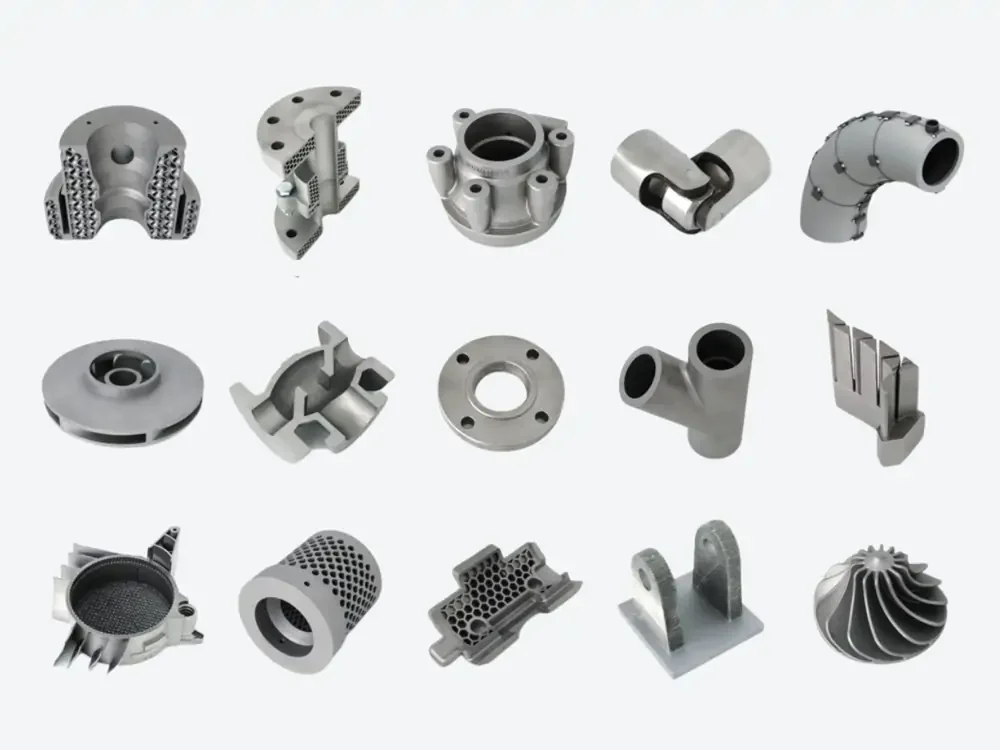
In the die-casting process, molten Aluminum is forced under high pressure into a reusable mold. Using high pressure allows the material to fill each corner of the mold. This way, it can take on any shape within the mold interior without deformation. While traditional forming methods allow you to create a more detailed shape, die casting allows you to create a more detailed shape.
The process begins by melting the Aluminum using high heat. The system provides heat until the metal liquifies completely. Next, a hydraulic plunger pushes the liquid metal into a steel die cavity at high speed. The metal solidifies in the mold almost instantly. Then, the mold opens and, using a mechanical pin, ejects the part.
There are primarily two types of metal casting setups. One is a hot-chamber machine, and the other is a cold-chamber machine. Hot-chamber setups are ideal for metals with low melting points, such as zinc. However, Aluminum is usually shaped in the cold-chamber machines. This setup separates the melting and injection plunger to protect the equipment.
The aluminum die casting process has vital applications across various industries. This method can produce lightweight, strong, and highly complex parts with a high-quality surface. Car manufacturers take advantage to create lightweight engine blocks, brackets, cases, and other crucial parts. The electronics sector produces chassis, frames, and often heat sinks. It is also common in aerospace and home power tools.
Aluminum Die Casting Process: Step by Step
The aluminum die casting process requires proper control at every stage. Each step can affect the final molded part. It can change the strength, shape, surface finish, and overall quality. So, if you want a good casting result, you need to control the process carefully from the beginning to the end.
Mold Design and Preparation
Mold design is a vital step in the die casting process. Without a strong, functional mold, you can’t achieve the best possible results. You might need extra finishing tasks to smooth the surface, which adds cost and can eventually make your project less profitable.
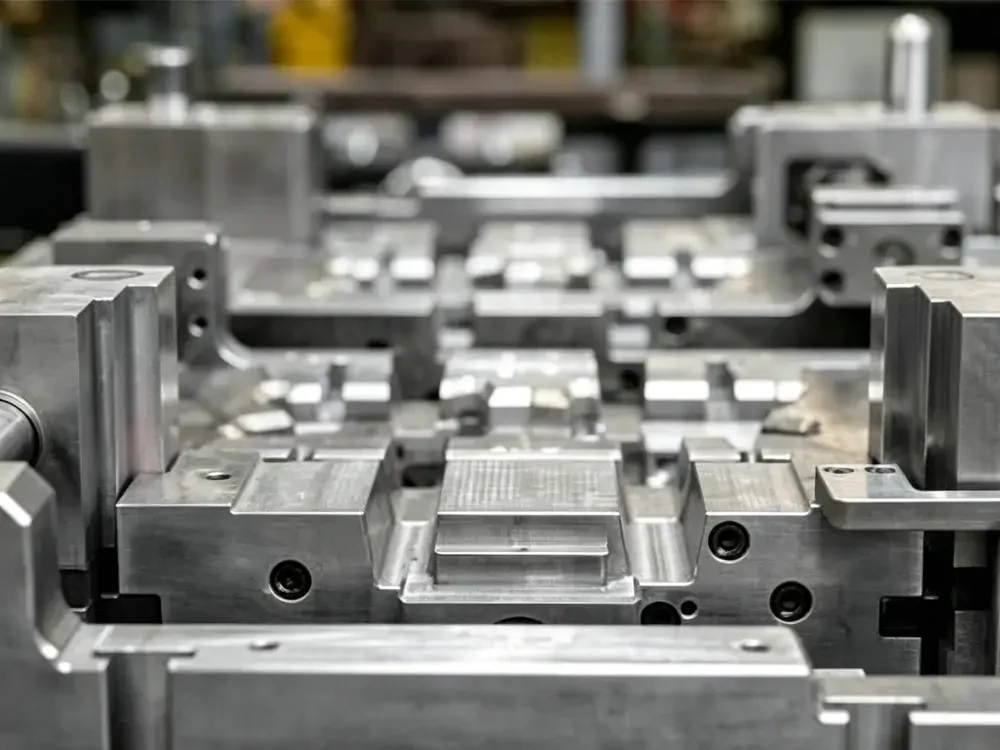
Therefore, mold design must be professional and detailed. Every part, including the narrow channels and cooling lines, must be properly controlled. A professional mold design can significantly reduce molding defects.
Proper design ensures the mold can withstand heat, extreme pressure, and other conditions. After creation, inspect the mold for any cracks or damage, both inside and outside. Then, the mold is preheated to avoid thermal shocks during injection.
Mold Cleaning
Mold cleaning is also an essential step for casting cycles. You have to thoroughly clean the mold and remove any dirt, dust, oil, or old residues. Such contamination in the mold can ruin part formation. Even a tiny particle can degrade the surface quality. Therefore, ensure your mold is clean and ready for casting.
You can use either special brushes or compressed air for cleaning. When the surface is spotless, it ensures a clear surface, allowing molten metal to fill every corner and every detail of the mold perfectly. Not a single detail remains missing. Cleaning also extends the mold’s lifespan and prevents damage and rust.
Application of Releasing Agent
A release agent is typically a chemical applied to the surface to provide non-stickiness. It is one of the most crucial parts of the die casting process. When you apply the agent, it creates a non-sticky barrier between the mold and the molded part. The main purpose of this thin layer is to facilitate the easy removal of the casting part.
Release agents work by forming a thin, heat-resistant layer. After pouring the red-hot molten metal, this layer prevents direct bonding with the mold. Moreover, it manages heat smoothly, keeping the mold surface cool during production cycles. For such advantages, you may find its application not only in metals but also in plastics, PU foams, and so on.
Clamping
Clamping is a step to hold two die halves together quite tightly. Generally, it occurs before the mold injection process. Here, a hydraulic system is most effective. It presses one moving half die to a fixed half die. Thus, the hydraulic system produces an enormous pressure known as clamping force. Since the pressure is too high, it is measured in tons.
Without such a heavy clamping force, the incoming molten metal can easily leak out. So, this force is necessary to resist the upcoming pressure. This force may vary depending on the die types. For example, small dies require less force, while large and complex dies require more force. Deploy the force accordingly. Proper clamping ensures accurate dimensions for molded parts.
Melting of Aluminum
For aluminum melting, makers place the ignitors into high-temperature furnaces. Here, the furnace heats the metal until it liquifies completely. The temperature is almost 660°C. Monitor the melting process until all the ingots have fully melted.
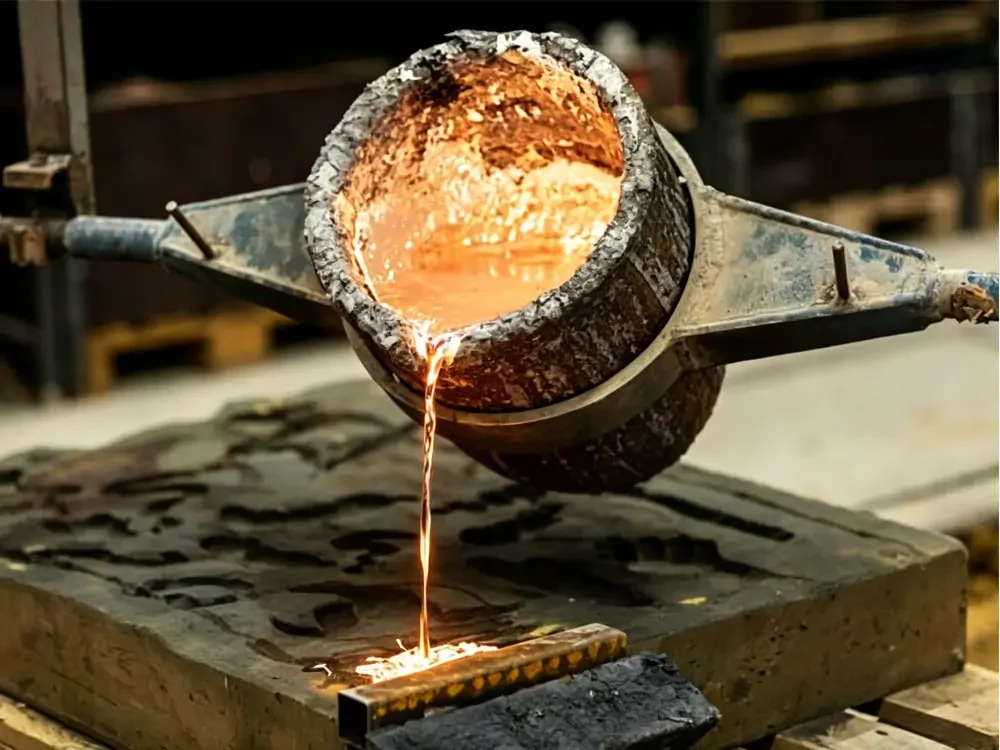
During the melting phase, you may see some impurities float on the top. Scope them away to avoid trapping bubbles and weak spots in metal parts.
Injection of Molten Aluminum
Injection is the initial step where the molten metal fills a die. Most manufacturers use a mechanical ladle to scoop red-hot metal. A furnace holds the red-hot metal. Thereafter, it pours the material into the machine’s cold shot sleeve. Then, a hydraulic plunger takes over the injection process.
This plunger pushes the metal at high speed, allowing it to fill the entire cavity. Using high speed creates immense pressure for metal. Not a single channel remains skipped. It fills each corner and captures every detail. Both fast and slow speeds may cause some problems. Choose the right speed for a dense and defect-free product.
Holding Pressure and Cooling
Holding pressure begins just after the mold fills completely. When dies become filled with liquid metal, the machine maintains its pressure, called holding pressure. The hydraulic plunger tries to push hard against the aluminum. This way, it prevents gaps from forming during solidification due to metal shrinkage. Without holding pressure, the product might contain weak spots and void spots on the surfaces.
Now the cooling line starts operating inside the mold, significantly lowering the temperature. Different types of liquids, such as water and oils, flow through the channel to dissipate heat. As a result, the liquid metal turns into a solid, strong part within just a second. Proper cooling produces solid structure parts without any air gaps.
Ejection
Injection is the step where the finished part leaves the mold. At the initial stage, the hydraulic clamping opens up the moving half die. The solid aluminum part remains attached to the moving half die. It is ready to safely push out the metal product.
Most commonly, the mechanical pin ejector pushes the metal from behind the mold. These pins later hit the surface evenly, bringing out the part without bending or breaking it. A robot then takes the product that drops on the conveyor belt. Thus, the mold is cleared and prepared for the next cycle of the aluminum die casting process.
Surface Treatment and Finishing
Surface treatment is the last step of the Aluminum die casting process. This treatment begins once the metal has been properly hardened and cooled. The first thing you should do is to eject the new casting part carefully. Then you can use a cutting machine to trim off any excess material.
Besides, you can tumble or blast to smooth, neat, and clean the rough surface. Later, you can apply a custom coating to meet your project needs. You can paint, powder coat, or plate. Every form of coating has its own advantages and disadvantages. However, coating protects the surface from rust, moisture, and normal wear.
The Importance of the Releasing Agent in Aluminum Die Casting
The releasing agent is one of the most important materials in aluminum die casting. It directly impacts casting quality, die life, and production efficiency. With an effective releasing agent, you can significantly reduce surface defects. Sometimes, not using RA or using poor-quality RA can lead to mold damage or a sticky, molten material. It may increase maintenance costs and shorten mold life.
Prevent Sticking
The main purpose of using a release agent is to create a non-sticky barrier. It forms a thin layer between the steel mold and the molten Aluminum, preventing sticking. Also, using RA allows parts to eject easily from the mold.
Improving Surface Quality
The release agent also improves the surface quality of die castings. Using an effective mold release agent ensures no rough spots or scratches during ejection. It greatly helps create a smoother, more consistent finish. Eventually, it reduces the need for additional polishing or rework.
Protecting the Die
Molten Aluminum is highly corrosive to steel molds. But the release agent shields the mold from extreme pressure and heat. As a result, steel molds remain safe, and agents help to extend mold life.
Controlling Temperature
During the aluminum die casting process, the thin layer formed by the releasing agent also helps control temperature. This layer reduces direct heat transfer. Besides, it helps distribute heat more evenly across the mold. Many water-based release agents also provide a cooling effect as the water evaporates after spraying.
Boosting Efficiency
Using a proper release agent speeds up the production cycle. Easy part removal reduces downtime during cleaning or machine jams. This way, it increases output, which effectively lowers overall cost.
Best Releasing Agent for the Aluminum Die Casting Process
You cannot just use a releasing agent in the die-casting process. The agent’s compatibility is also very important for smooth separation. The following two releasing agents are widely used in the aluminum die-casting process. We recommend that you seek expert advice to ensure the correct type of releasing agent is used.

Die Casting Release Agent for Pure Aluminum MK-TL
Amino MK-TL is a water-based release agent for pure aluminum die casting. When you apply the release agent, it forms a strong, non-friction film on the mold surface. Each part comes out smoothly with zero carbon buildup. It can also resist temperatures up to 300°C and meets RoHS and ISO 16949 standards for safe use.
Water-Based Aluminum Die Casting Mold Release Lubricant MK-2232W
Amino MK-2232W is also a water-based release agent. It’s a stable, non-hazardous, and easy-to-clean lubricant suitable for aluminum die casting. This agent also provides an exceptionally bright and smooth surface finish. It complies fully with RoHS and REACH standards. Its flexibility allows for both manual and automated spraying.
Summary
Aluminum die casting is a fast, precise, and reliable process. It is widely used to produce strong and lightweight aluminum parts. There are numerous benefits of die casting. However, understanding each of its parameters and quality factors is crucial.
Proper mold design, preparation, release agent, and effective post-processing are key to success. Eventually, a professional setup ensures consistent production with high-quality parts.
In the aluminum die casting process, the right release agent is crucial. Not all release agents can give you the expected outcome. Therefore, choosing the right and compatible releasing agents matters.