
In various manufacturing processes, such as injection molding, compression molding, casting, etc., the mold release agent plays a bigger role. A compatible mold release agent acts as a barrier that separates the molding surface and the substrate. It makes sure that every finished product comes out clean and consistent. Without them, parts would fuse into molds. It will cause defects and a loss in production efficiency. Hence, choosing the appropriate mold release agents is essential for optimizing production efficiency.
With many types of release coating in the market, from sacrificial to solvent or water-based, it can be challenging to find the perfect one. Here, you have a detailed article backed up with knowledge to help you choose an ideal release agent. Read till the end.
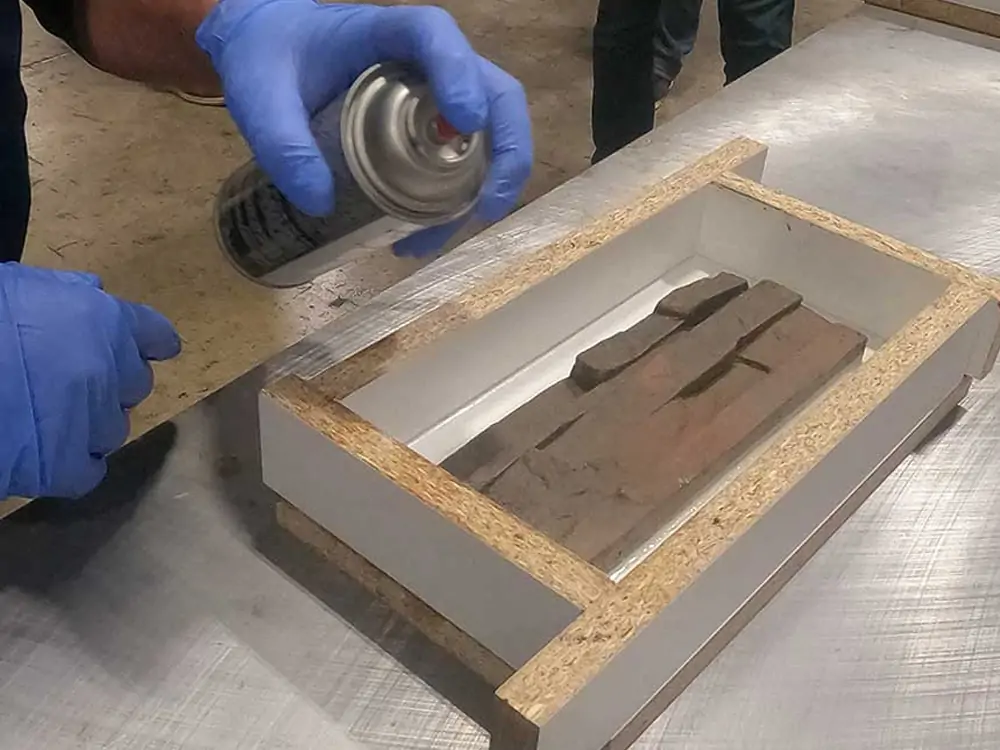
What Is a Mold Release Agent- A Brief Overview
Mould release agent is also typically referred to as release coating. It serves as a specialized coating applied to the mould. It acts as a barrier between the mold and the material. This results in preventing the fusion of the material. Also, the demolding process of the finished product is much easier. Not only does it enhance the product’s longevity, but it also improves the surface finish.
Mold release agents serve a wide range of industries. Manufacturers rely on them in plastics, rubber, composites, and metal casting. These agents appear in many forms and types. Each is tailored for specific materials and processes. For instance, some excel in high-temperature environments. At the same time, others offer eco-friendly benefits or suit sensitive uses, such as food.
The following section discusses the broad variety of mold release agents. They serve for wide range of applications.
Different Types of Mold Release Agents
-
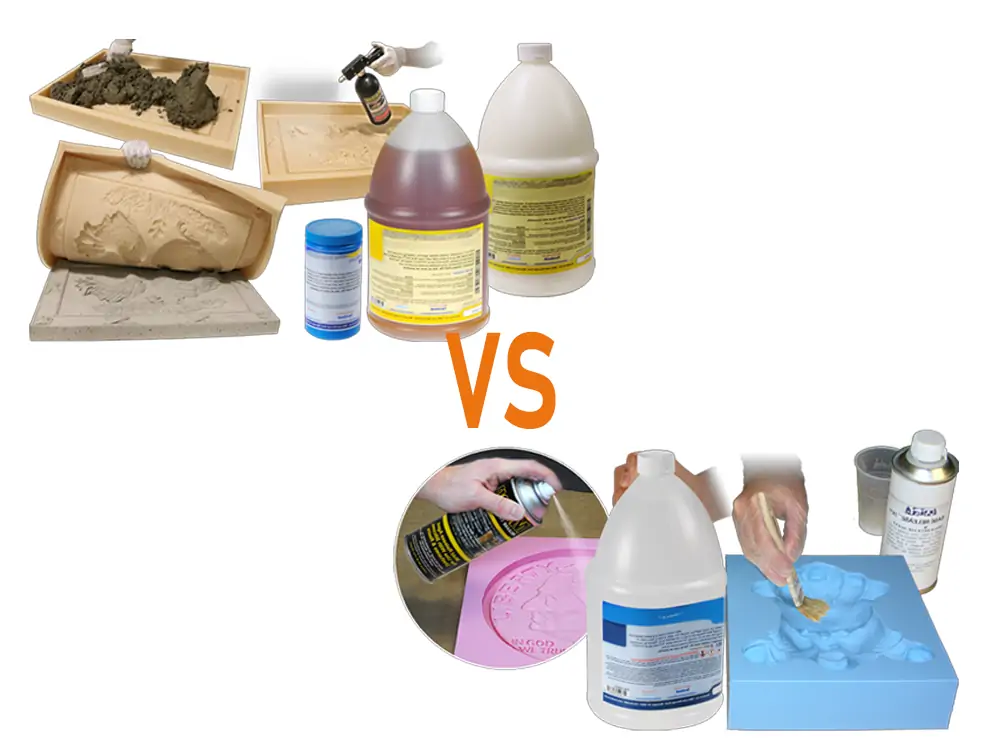
Water VS solvent-based mold release agents
Water-based agents are safer and easier to clean. With low odour, they make an ideal choice for most workplaces and operators. They may dry more slowly, especially in humid areas. Solvents are mostly hazardous materials. So, operators require special safety equipment when working with solvent-based agents. However, manufacturers opt. them due to their easy-to-handle nature. Also, their drying process is quicker, and they withstand high temperatures well. However, they require good ventilation due to the presence of strong fumes, and they are flammable.
-
Silicon VS silicon-free mold release agents
Silicone agents offer easy release. They handle extreme temperatures and provide a smooth finish. They are easy to demold and give a better surface finish. However, they have a lower use rate. Silicone-free agents are used in post-moulding operations where silicone can be a problem. It makes them better for parts that need further finishing or assembly. Mostly, they support molding processes, like injection molding and die casting.
-
Semi-permanent mold release agents
Semi-permanent agents last through many molding cycles after one application. They save time, reduce mold cleaning, and are ideal for high-volume production. However, improper application of these agents can lead to in-mold buildup. So, reduce effectiveness results when working with complex geometries. Also, they need to be properly cured before use.
-
Conventional or sacrificial mold release agents
Conventional or sacrificial agents must be reapplied for each cycle. They suit complex or short-run jobs but can leave more residue and require extra cleaning.
How to Choose an Ideal Mold Release Agent?
As discussed earlier, the choice of release agent matters. It will directly impact the production quality and efficiency. But with so many options available—like resin mold release, silicone mold release, and composite mold release—it can be hard to know where to start. Now is the time to discuss the factors that play a crucial role in decision-making.
What Material Is Being Molded?
The material to be molded is the first thing to consider. Mold release agents do not react equally with different materials. The following are what you need to know:
- Plastic: When molding plastics, use a mold release agent made for plastics. Some plastics, like polyethene and polypropylene, need special agents to release easily. Silicone mold release works well, but it can leave a residue. This residue can cause problems if you need to paint or glue the part later.
- Rubber: For silicone rubber, use a silicone rubber mold release. It helps you remove parts cleanly without tearing or sticking. Water-based or semi-permanent agents also help prevent surface problems.
- Composites: When working with fiberglass or carbon fiber, choose a composite mold release. These agents do not interfere with the resin or leave a residue. This is important for making high-quality composite parts.
- Epoxy and Resins: If you cast with epoxy, use a mold release spray for epoxy. Resin mold release agents are made for resin casting. They handle sticky surfaces and protect the finish of your parts.
- Polyurethane and Other Resins: Select an agent that can withstand high temperatures and repeated use. For polyurethane and similar resins, make sure it works well with your resin system.
- Metals: Metal casting needs a release agent that can handle very high temperatures and prevent corrosion.
Always check that your mold release agent matches both your material and your mold. The wrong agent can cause sticking, surface defects, or even damage your molds.

What is Your Molding Process?
The molding process you use also affects your choice. Each process has its own demands:
- Injection Molding: Needs agents that allow for quick, repeated releases. Semi-permanent agents or mold release agents for plastic are often best, as they reduce downtime.
- Compression Molding: This process uses high heat and pressure. Choose agents, such as composite mold release or resin mold release. They can withstand these conditions without breaking down.
- Extrusion and Thermoforming: These processes may need agents that prevent buildup and are easy to clean.
- Transfer Molding: Look for agents that can handle high pressure and complex mold shapes.
Always check that the mold release agent is compatible with both the molded material and the mold itself. Using the wrong agent can cause sticking, surface defects, or even damage to your molds.
Performance Criteria
Not all mold release agents perform the same. Here are the key criteria to look for:
- Release Ease: The agent should let parts come out of the mold smoothly, with no sticking or damage. For tricky applications like resin casting or silicone rubber, using a dedicated resin mold release or mold release for silicone rubber can make a big difference.
- Durability: Semi-permanent agents can last for many cycles, reducing the need for reapplication. Sacrificial agents need to be reapplied each time.
- Residue and Cleanliness: Some agents can leave a residue on the part or mold. If you need a clean finish, look for agents that leave little or no residue. This matters for composite mold release and mold release spray for epoxy the most.
- Surface Finish: The agent should not affect the look or texture of your part. Some agents can leave marks or make surfaces too slippery.
- Thermal Stability: Make sure the mold release agent can handle high heat. It should not break down or leave a buildup during high-temperature processes. This keeps your parts clean and your molds in good shape.
Application Method and Cleaning
How you apply the release agent matters just as much as which one you choose. Common methods include: Spraying, brushing, wiping or others. Process engineers and operators can choose according to the specific requirements.
Before applying any agent, always clean the mould thoroughly. Old residue or buildup can cause sticking and defects. Follow the manufacturer’s instructions for drying and curing times. Some agents need time to cure before use, like semi-permanent mold release agents.
Cleaning between cycles is also important. Semi-permanent agents reduce cleaning needs, while sacrificial agents may require more frequent cleaning to remove residue.
Regulatory Compliance
Mould release agent regulations are becoming tighter. Particularly when health and the environment are the case. Most manufacturers are striving towards the much-needed switch to biodegradable ones. The following is what you should remember:
- VOC Content: Solvent-based agents contain volatile organic compounds (VOCs). They are detrimental to both the environment and workers; therefore, employ alternatives. Water-based agents are safer with less VOC.
- Food and Medical Safety: When your parts are in contact with food or are part of medical equipment, select food-grade or medical-grade agents.
- Environmental Impact: Eco-friendly agents quicken your green standards and minimize your environmental impact, such as water-based or biodegradable agents.
Selecting a compliant agent will safeguard your workers, your customers, and your business against regulatory problems.
Cost and Efficiency
Cost is always a factor, but it’s not just about the price per liter. Consider the total cost when choosing a mold release agent. Factors like how often you need to reapply, waste reduction, mold maintenance, and production speed play a big part. The right agent can do it all. It can lower overall costs by reducing scrap, cutting downtime, and boosting efficiency.
Unlock Smooth Production with AMINO Release Agent
Ready for cleaner releases and higher efficiency? Discover AMINO’s trusted mold release solutions for every industry. Visit AMINO today for a free quote and see the difference in your manufacturing process!