
Release agents play a crucial role in the manufacturing industry. They are essential for making sure that the end product can be extracted easily. However, many of us still don’t realize its importance. The main work of these agents is to prevent the end part from sticking and damaging the mold during removal. The use cases might involve a mold, a die, a casting machine, or any other forming tool. Mold release agents are an essential type in this group. Mold release agents may come in various types. This large variety typically comes from the use of a wide range of materials for molding. Plastics, metals, rubbers, and concrete each have their unique requirements. Mold release agents also come in various forms. You can pick from water-based, solvent-based, or semi-permanent agents based on your needs. One type of release agent is a spray, while another type can be mixed directly into the material itself. Each of these types has unique uses and has its benefits. This article will introduce the basics of mold release agents. It will typically explain what they are, their different types, and how they are used. You will also learn how to choose the right mold release agent for your projects.
What is a Mold Release Agent
A mold release agent is a chemical substance used in molding machines to facilitate the release of molded parts from the mold. This element works as a barrier between the molded part and the mold. It prevents the molded parts from sticking to the mold.
The primary goal of the release agents is to ensure a smooth, safe, and damage-free separation of each part. Additionally, the mold release agent enhances the finishing quality and the shape of the final product.

There are usually various types of mold release agents. We can generally classify these types into two main categories: 1, external agents, and 2, internal agents. External agents are suitable for mold surfaces. On the other hand, internal agents serve the material itself.
We can also classify mold release agents into various types based on the kind of mold material. It may include metal, plastic, rubber, or even concrete.
The use of these agents can be either on the surface of the mold or mixed with the mold materials. The exact use depends on the specific molded parts and complexity. However, manufacturers typically apply it before starting production.
How does Mold Release Agent work
Mold release agents can be applied in two different ways: either by coating the surface or by mixing them with the mold material.
Surface applications are typically the most common method. This use also comes in various forms, such as spraying, brushing, or wiping onto the mold surface. The surface use of release agents typically forms a thin, invisible layer on the molded parts. It mainly prevents the molded part from sticking. In some cases, you may need to apply the surface agents frequently.
On the other hand, internal mixing is also standard in molding. In this approach, you can directly blend the mold release agent with the molding materials. This approach is typically helpful for complex shapes and continuous productions.
Benefits of Using Mold Releasing Agents
There are various reasons why you should use mold release agents. First, it maintains the quality of the molded parts. Second, it increases the overall production speed. However, there are other reasons as well. Let’s check them out.
Easy Part Removal
Mold release agents allow you to extract parts safely without sticking. Using this stuff reduces the chance of damage to the parts. You can also ensure a clean separation with less effort and delays.
Protects the Mold
Releasing agents keep the mold safe from scratches, damage, or wear. As they prevent sticking, this minimizes friction, which lowers the stress on the surface. Thus, it extends the lifespan of the molds. Regular use can save you money and keep your device in excellent condition.
Improves End Product Quality
To improve final product quality, molding agents are also crucial. As mentioned before, these agents work as a barrier between the product and the mold. They help mold parts to come out in a flawless and accurate shape. These agents can also reduce defects and misinterpretations, resulting in the desired shape for the clients.
Reduces waste and rework.
Mold release agents eventually reduce material waste. This advantage enhances effectiveness by reducing the likelihood of rejected or defective products. Additionally, fewer defects result in less rework, ultimately saving you time, production, and labor costs.
Increase Productivity and Efficiency
Mold release agents ultimately increase productivity. It shortens cycle times and reduces delays. They also minimize the need for cleaning and repairs during production. Due to this, machines can run continuously for extended periods without interruption. Overall, this makes the process smoother and more efficient.
Widely Available for Many Materials
You can use mold-releasing agents for a wide range of materials. These materials include plastics, rubbers, metals, and other composites. Moreover, they can work with different types of molding processes. Such versatility makes them suitable for a wide range of industrial applications.
Different Types of Mold Release Agents
There is a wide variety of mold-releasing agents. Why should you pay attention to this? It is essential to understand that mold release agents are formulated for specific materials. Therefore, you must be aware of the materials you are dealing with. Here are some common types of mold release agents to check out.
By Molding Material
Mold release agents can be primarily divided into different categories based on their materials. Rubbers, concrete, plastic, or even metal all needs different release agents. Even each type has various grades and chemical compositions. Also, there are differences in their purity and quality.
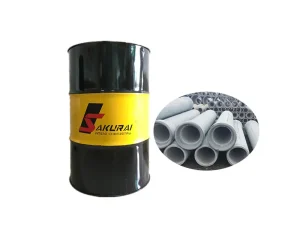
1. Concrete Release Agent
Concrete releasing agents, as their name implies, are specifically designed for use with concrete molds. They work under wet, high-pH conditions. Unlike others, concrete mould release agents resist water and strong alkaline content. Use on clean, dry forms for best results before pouring concrete.
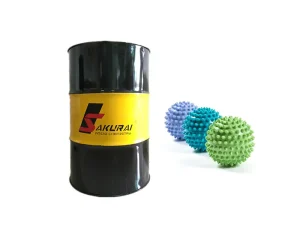
2. Polyurethane Release Agent
This polyurethane release agent is specifically designed for use with polyurethane foam or parts. They handle flexible or rigid foam expansion. Unlike general agents, they resist chemical bonding with polyurethane. In most cases, these release agents are found in liquid or aerosol spray form.
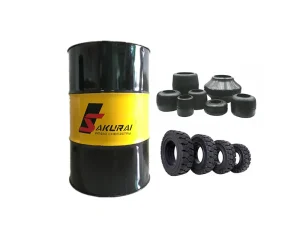
3. Rubber Mold Release Agent
Typically, rubbers are elastic and can be sticky. It can sometimes make the demolding process difficult. To avoid these problems, you can use a rubber mold release agent.
This agent is essential when working with tires, shoes, or grips. Unlike plastic and concrete, it can expand, contract, and grip tightly. It can also withstand pressure and heat, and is suitable for repeated cycle production.
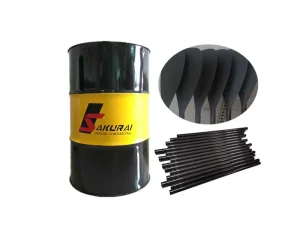
4. Composite Release Agent
A composite release agent is used for composite materials, including those made from carbon fiber or fiberglass. It uses fiber resins to bond with the mold surface. This is why it has a risk of surface locking, pinholes, or fiber pull-outs. This is where the composite release agent comes in handy.
By Chemical Matrix
Besides materials, mold release agents also differ based on their chemical metrics. Each type is specifically formulated for a particular molding condition. For example, temperature, pressure, or material compatibility are noteworthy.
1. Oil-based Release Agent
Oil-based release agents typically use petroleum or mineral oils in the molding process. It is easy to apply and provides a strong release mechanism. Commonly used in the metal, rubber, and concrete industries.
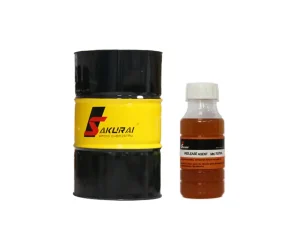
2. Wax-based Release Agent
Wax-based mold release agents use natural or synthetic wax to create a layer on the surface. These natural waxes can include beeswax, carnauba wax, paraffin, or microcrystalline wax. They are typically ideal for medium-temperature molding uses. This agent is good, but you may need to reapply it frequently.
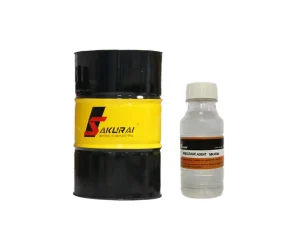
3. Silicone-based Release Agent
Silicone mold release agent is another popular chemical. It also nicely creates a smooth, heat-resistant, and strong layer. It ensures a balanced slip and works well in high temperatures. You can use it on rubber, plastic, and die casting. However, you must consult with experts before deciding which one to use.
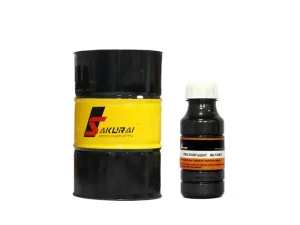
4. Water-based Release Agent
This water-based release agent uses water as an agent instead of other solvents or chemicals. It is an eco-friendly, cheap, and easy-to-clean agent. People use it in footwear, automotive, and concrete molding sectors.
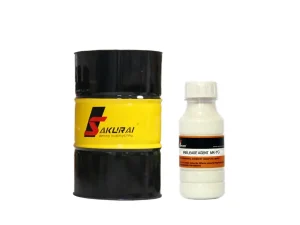
5. PTFE Release Agent
A PTFE release agent contains polytetrafluoroethylene, similar to Teflon. It’s a non-stick and ideal high-temperature agent. In some cases, this agent may incorporate graphite, silicone, and other materials.
This agent is used for complex and challenging molding processes. It can also serve in metal, plastic, or rubber molding.
Other Functional Release Agents
In addition to the standard types, there are also other functional agents. Examples include semi-permanent, sacrificial, and internal agents. They also carry unique properties, features, and uses like others.
1. Semi-permanent Release Agents
Semi-permanent agents ensure a durable and permanent layer on the mold surface. You can use this molding agent for multiple cycles. SM release agent is ideal for large-volume production in the rubber industry.
2. Sacrificial Release Agents
It creates a temporary layer that ensures clean release every time. Additionally, it is easy to use and serves multiple purposes. You may often find its use in food processing, pharmaceuticals, and composites.
3. Internal Mold Release Agents
Internal mold release agents are directly mixed with the material before processing. They work from within by migrating to the mold surface during the curing process. This mold release agent is ideal for complex and difficult-to-make parts.
How to Choose the Right Mold Release Agent?
You must choose a releasing agent that suits your application. If the selection is incorrect, it may affect your production by causing it to stick or become damaged. Below, we will discuss how you can do that easily.
What Material Are You Using?
So far, you have gone through various types of mold release agents. You have also seen that most of their types are based on specific mold materials. Typically, you cannot use one material release agent on different materials. The use will not be compatible in a general sense. Although some might work, they are not as effective as the compatible ones.
Therefore, you should know what type of material you are using. Based on it, make your selection. Choosing the right agent can help you achieve the desired outcome.
Molding Process Being Used
The exact type of mold release agent also depends on molding processes. In general, there are several molding methods, including injection molding, compression molding, rotational molding, and others. Each method has a different molding procedure.
For high heat or pressure, you need a strong and durable agent. On the contrary, low temperature and simple processes require water-based agents. Matching the agent to the process helps improve efficiency and reduce defects.
How Complex is Molding and Cleaning?
It is essential to understand the complexity of your molding and cleaning processes. Understanding the complexity of your molding and cleaning processes can help you identify the exact agent.
If your design is complex in shape or has fine details, you may use semi-permanent agents. If cleaning is often difficult or costly, choose an agent that is easy to remove, lasts a long time, and leaves less dirt behind.
Local Standards and National Regulations
Before choosing an agent, check the national rules or industry standards. Some regions or factories prohibit the use of water-based chemical agents. Instead, they may prefer an eco-friendly molding agent. For this reason, select a compliant agent that ensures your process is safe, legal, and market acceptable.
Frequently Asked Questions
Can WD-40 be used as a mold release agent?
WD-40 is generally not recommended for use as a mold release agent. It can damage the mold surface by clogging the tiny pores needed for proper molding. When these pores are blocked, the mold cannot release the part cleanly. As a result, your mold becomes stuck, has a poor surface, or is damaged. It’s best to use products made specifically for mold release.
Can PVA glue be used as a release agent?
Yes, PVA (polyvinyl alcohol) can be used as a mold release agent. It typically works well if you can apply it evenly in a thin, smooth layer. However, if the PVA film runs or forms drips, those marks can transfer to your final parts. Later, you may need to make additional adjustments to refine it. For this, PVA is not ideal for mold release agents.
What are alternatives to mold release?
There are usually many alternatives to traditional mold release sprays. You can either opt for mineral oil, xylene, acetone, or toluene. These solvents can typically help reduce sticking, but they may not always be a safer option. Therefore, it is best to use the substrate in a small area first. Also, follow safety guidelines, as some of these chemicals are intense and flammable.
Can I use silicone spray as a mold release?
Yes, you can use silicone spray as a mold release agent. It is a flexible material that works with plastics, rubber, and urethane. Silicone spray, like other mold release agents, allows for safe and smooth extraction. However, you should know the quantity of silicone you should spray on the mold. Note that excessive use of silicone can affect painting or bonding later.
Final Words
This article covers the basics of mold release agents, including their types and how to choose the right one. We hope it helps you make better choices in your project.
Amino Release Agent Company offers a wide range of reliable release agents. Contact us to discover the best solutions tailored to your needs.