
Pouring concrete can be tricky if it sticks to the mold. Indeed, smooth and clean surfaces are essential for a good finish. But still, this is not enough. You often struggle to remove concrete from formwork without damaging it. That’s where concrete release agent comes in. It helps the concrete separate easily from the mold.
Choosing the right concrete form release agent is also essential. You must select the right one that saves time, reduces cracks, and keeps your mold in good condition. You might be involved in small projects or large construction projects. In both cases, you must know how to choose and apply a concrete release agent.
Do I Need a Release Agent for Concrete Forms?
Yes, you need a concrete release agent for safe concrete release. It’s a fundamental step in concrete production. The concrete form release agent is typically a chemical that forms a non-sticky layer between the object and the mold. Thus, it helps to prevent any wear and tear during extraction. It’s the safest approach to produce consistent results and high-quality products in every cycle.
Before starting production, skipping the concrete release agent step will degrade product quality. In case you skip this step, the concrete will form a strong bond with the mold as it cures. When you try to remove the concrete, it will stick to the mold, leaving a rough surface.
It needs extra force to remove the product. This forced separation will usually cause two major problems. Firstly, the surface will be worn or damaged, with bug holes. Secondly, the forms can be cracked or severely damaged. It not only damages the product but also tears the mold. As a result, there will be a significant increase in production costs.
On the other hand, a concrete mold release agent ensures a clean, safe release of each form. It typically protects the concrete and provides a smooth, uniform, high-quality finish. Using a concrete mold release agent also saves time and money.

What Is a Concrete Release Agent?
A concrete mold release agent is a liquid or powder applied to the mold surface. Generally, it forms a coating or layer inside the mold and concrete form. The coating plays a crucial role in separating the product from the formwork. The layer is typically non-sticky and is therefore called a form oil, form release, or demolding agent.
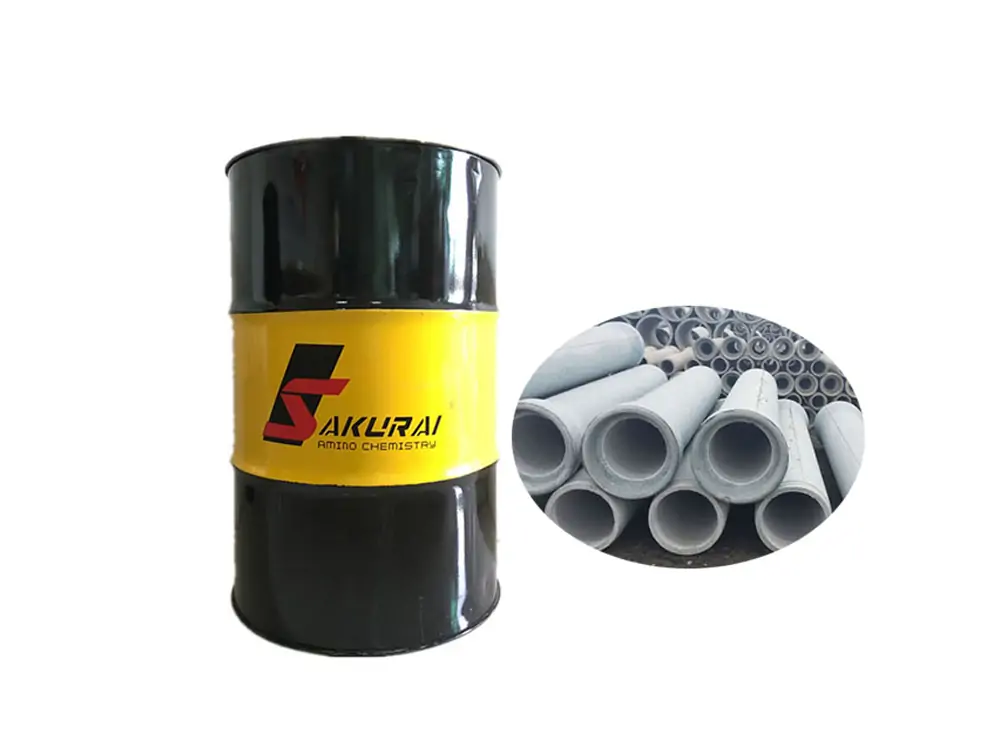
There are various types of release agents for concrete. You can categorize it by formulation. For example, oil-based, water-based, vegetable oil-based, and powder agents. Each agent has specific abilities for dealing with concrete objects. Moreover, they have specific uses depending on their elements and safety considerations.
Oil-based and water-based agents are barrier-type agents. They are cost-effective and suitable for use in walls, columns, beams, and other structural elements.
Chemically active agents are ideal for a high-quality finish. The agent provides a clean, fast release, enabling a quick turnaround for production. People use it in blocks, pre-stressed beams, and panels.
Vegetable oil-based agents are effective for walls, facades, and polished floors. It provides a superior surface finish, free from bugholes or stains.
How To Apply Concrete Release Agents?
Even if you choose the right concrete release agent, misusing it can still cause problems. There is a possibility that the concrete will stick or that the surface will be damaged. You may also notice the molds wearing out faster.
Therefore, understanding the key steps and precautions is essential. This way, you can get smooth, clean concrete and protect your formwork for future use.
Preparing the Formwork
Before applying the release agent, make sure the form is properly cleaned. Remove all dirt, dust, concrete residue, or oil buildup. It is a crucial step to get the best outcome from each formwork. Use a brush, pressure washer, or scraper to remove sticky concrete from the mold. During the cleaning, make sure the mold remains intact and safe.
After cleaning, let them dry properly and look for any cracks. If there are cracks or holes, repair them and ensure they sound structurally sound and ready for application. Proper cleaning and repair ensure the agent will distribute more evenly.
Finally, make sure the mold is aligned correctly and set up. If molds are not perfectly aligned, concrete forms may result in an uneven surface.
Select the Right Concrete Form Release Agent
Choosing the right concrete mold release agent is the most critical part. Typically, it depends on the type of form materials and the finishing requirements. As mentioned before, various types of concrete release agents are available in the market. The right agent will enhance the product quality while maintaining the formwork’s safety.
Mold-resistant materials, such as plywood or rough wood, require specific agents. For example, oil-based or reactive agents. For plastic or steel molds, water-based or chemical reactive molds are quite suitable. For architectural concretes, use high-quality agents, such as a vegetable oil-based agent.
Always check the product label and follow the manufacturer’s guidance. The wrong agent can be the reason behind sticking, staining, or improper finishing. In contrast, the right one will ensure the durability of both the product and formwork.
Apply the Release Agent
You can apply the release agent using a brush, spray, or roller. Use the most efficient method according to your mold design and size. Make sure all the corners and edges are covered with a uniform coating or layer of the agent. In this step, do not apply too much agent as it can weaken the edges. For fine work, you can use a flat-fan spray to create an even coating.
Before applying, make sure the mold is properly dried, as stated. Release agents must sit on dry, clean formwork for optimal performance. For large projects, use low speed to create a uniform layer across every mold. And lastly, protect these molds from rain or excessive moisture.
Dying if Necessary
A few agents require a short drying period. Mostly, oil-based or water-based agents need time to dry. Why is it important to dry properly? This step is vital for the agent to form a bond with the mold and for water to evaporate. In this case, you can consult with manufacturers or any instructor about the drying time of agents. It will be a better option for beginners.
Allowing the agents to dry has advantages. When you apply the material before drying the agent, they might mix together. Such practice can cause sticking or discoloration while reducing its effectiveness. Therefore, always ensure agents are dry before pouring concrete.
What Can I Use as A Concrete Release Agent?
Usually, the best option is to use a purpose-made commercial product. These agents are the most useful because they are chemically well-balanced. Release agents such as MK-CR (water-based) and MK-707H (oil-based) are professional agents. They support specific applications and ensure the best outcomes. To achieve the optimal result, check their technical information and proper usage guidance.
MK-CR Water-based Concrete Release Agent
MK-CR is a water-based product with a milky white appearance. Sometimes, this agent uses extra water to dilute its concentration level. It uses composite materials and aqueous polymer to make the agent. Some suitable applications for these agents include steel, aluminum, plastic, and wood molds.
MK-CR is non-toxic and inflammable, making it an eco-friendly option. Apart from this, they are less expensive and form a protective layer.

MK-707H Oil-Based Concrete Release Agent
MK-707H is an oil-based agent used to make environmental lubricants. For projects where performance is a top priority, MK-707H is a perfect option. Their application for molds made of wood, steel, resins, and other materials is suitable.
One of the most important advantages of using this agent is durability. Also, they are highly weather-resistant and versatile for complex concrete applications. Besides, they have some limitations. MK-707H may contain VOCs and flammable elements, and often seems to have bug holes in products.
Overall, both agents have some advantages and disadvantages. For this reason, both support a specific application. Utilizing them correctly will be a wise decision for the best outcome.

How To Remove Release Agent from Concrete?
Removing the release agent is crucial in some cases. If you want to paint, seal, or stain, you must remove the release layer. Most releasing agents are removed using normal cleaning steps. Often, it may depend on the releasing agent type. In this step, you have to follow the proper instructions to clean the molds.
For example, if you are using oil-based agents, you need dish soap and hot water to clean. For powder release agents, you will need a pressure washer for cleaning. This way, each agent may require specific cleaning steps. Just make sure the molds are clean, dry, and ready for use.
Summary
The primary purpose of using a concrete release agent is to ensure a smooth removal of the molding. It also makes the process much easier. A good concrete form release agent also protects your molds, allowing you to reuse them.
Applying the release agent for concrete correctly also saves time and provides a smooth finish. You can choose different types, mostly water-based and oil-based. The right type may depend on your project needs.
Above all, if you need any support and services from AMINO, feel free to reach out to us.