
Silicone molds are flexible, durable, and very easy to use. They can capture fine details and can even withstand high heat and chemicals. Because of this, people prefer silicone molds for many industrial applications. For those interested in it, they need to understand how to make silicone molds.
Making a silicone mold is tricky. You need to accurately follow several steps to complete the work. However, if you have the proper guidance, you can master the process. This article will make the process easier for you. It typically breaks down the whole process into several simple and clear steps.
What are Silicone Molds?
How do you make a silicon mold? What ingredients do makers use to create these molds? These are some common questions asked by beginners who want to work with silicone molds. Well, silicones are made from silicone rubbers to create a perfect and precise shape of objects.
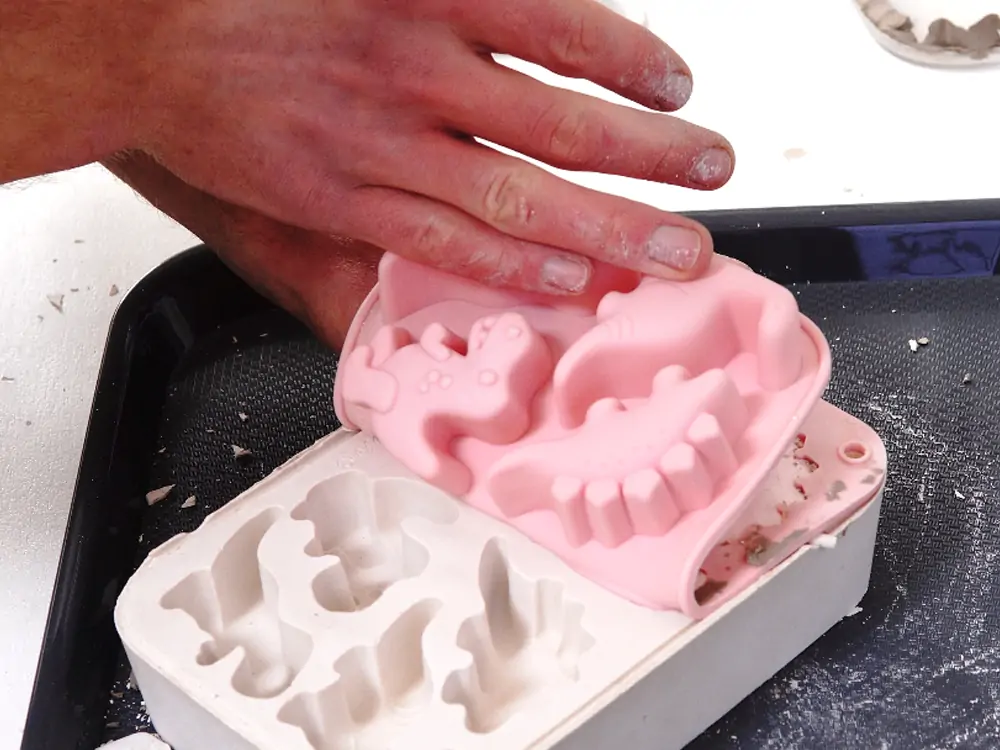
Silicone molds are typically made from flexible silicone rubber. They typically help create detailed and accurate shapes for casting or molding. Usually, there are different types of silicone used for silicone molding projects. Food-grade silicone is used in the food industry, and high-quality silicone is used in industrial and art molding applications.
Silicone molds offer excellent heat, chemical, and tearing resistance. Unlike other elastomers, silicone stays flexible and durable for a long time. It is less prone to creating dry rot. It also provides a smooth surface finish.
Pros
- Allows easy and quick separation.
- Reduce wear and tear during molding.
- Highly heat-resistant.
- Extend mold life.
Cons
- Overuse can cause residue.
- Requires cleaning before painting, bonding, or coating.
- Not suitable for all mold release agents
- Need industrial-grade release agents.
Industrial Use Cases of Silicone Molds
Silicone molds are prevalent in many industrial applications. It gets such popularity because of its several advantages, especially its ability to be used for a long time. From medical, automotive, and electronics to construction, silicone molds are prevalent. Beyond them, other sectors use the mold, such as food, aircraft engineering, and industrial production, among others.
Specifically in industrial uses, silicone molds assist in creating prototypes. A prototype is a physical form of a final product that helps in identifying potential issues before mass production. It was widely used in the automotive, electronics, and medical industries before mass production.
In the food industry, silicone molds are widely used to create chocolates, cakes, and ice cream. Overall, it has contributed to nearly all sectors across the world.
How to Make Silicone Molds for Resin
When you make silicone molds for resin, creating a smooth and clean cavity is very important. The mold surface typically decides what the final part will look like. You must choose the right release agent. Otherwise, you might face messy sticking problems, especially for resins. Therefore, following the right SOP is key to getting a good result.
Step #1: Prepare Materials & Tools
To make the mold, gather all the necessary equipment. It’s an essential task before starting the mold-making process. In this process, you will need silicone rubber, a catalyst, mixing containers, and stirring sticks. Make sure the mold surface is clean, level, and free of leaks.
Having the right tools is essential to streamline the process. If you prepare these things in advance, you will avoid delays and mistakes while working with the resin molds.
Step #2: Build a Mold Box
The process of creating a mold box differs slightly. Generally, it is larger than the master model box. You may use acrylic, wood, or plastic to make the box. Thereafter, seal the corner and make sure the silicones do not fall. Place the master box along the center of the box. This way, it makes a well-maintained box and seal, which might help to increase accuracy and minimize defects.
Step #3: Apply Release Agent
A mold release agent typically makes the demolding process easier. It creates a thin film layer between the mold and the molding surface. Once the molding material is cooled, it helps with the easy removal of the object.
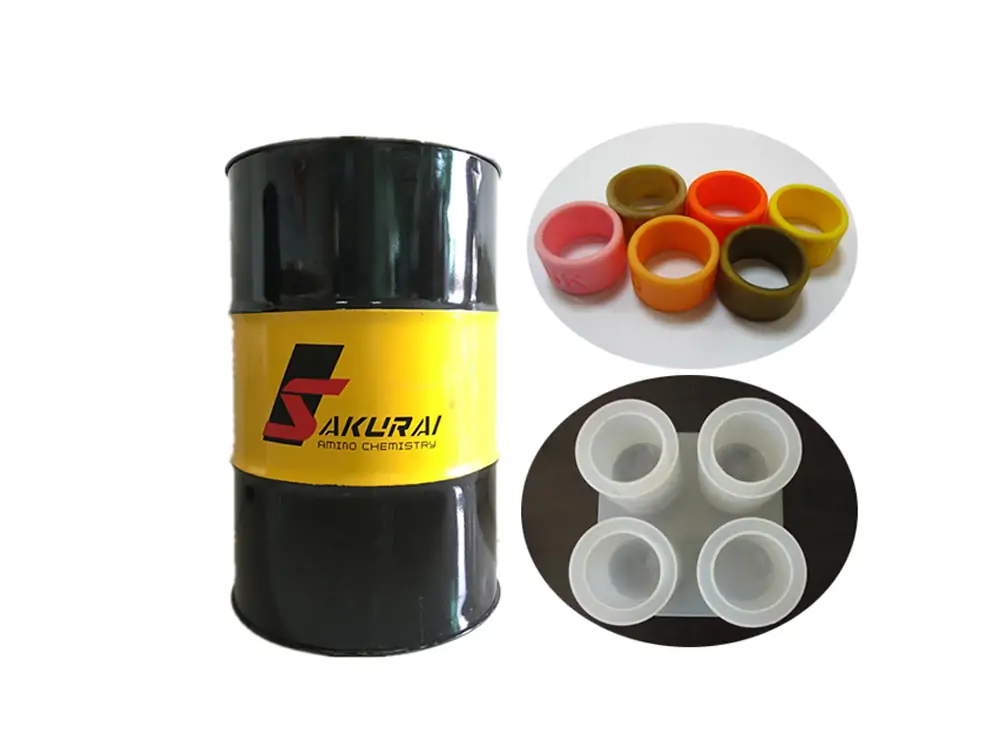
For silicone molds, you must opt for the right release agents. A silicone mold release agent is specially made for silicone molds. For the correct specification, contact the manufacturer’s customer support.
Step #4: Mix & Pour Silicone
Use silicone according to your needs. Mix with the catalyst in an appropriate amount. Start pouring the mixture from a corner of the mold box. To avoid bubbles, pour it slowly with a thin stream. You may use a vacuum chamber to degas the silicone, which might improve the result.
Step #5: Curing Process
Once the silicone is poured, don’t touch it until it’s cured. Typically, the curing time depends on the type of silicone and the state of the surroundings. Some silicone dries in a few hours, but others may need more time. You could use a low-temperature oven to speed up the process. Do not touch or move the mold while it is drying, as this could change its shape.
Step #6: Demolding
After curing, gently take out the mold. Without giving force, take out the master box. If there is any extra silicone around the mold, trim it off. Inspect the cavity for accuracy and finish. If your mold surface is smooth and detailed, then it is ready for resin casting.
Step #7: Test the Mold with Resin
Before starting the bulk production, test the mold using a small amount of resin. Pour the resin into the cavity and let it cure properly. Once cured, inspect the surface quality and details of the product. Testing will help you identify issues with the mold. If the mold works as required, then it’s ready for mass production.
Final Thought
Silicone molds are very easy to make, and they are popular in many DIY projects. However, most people get it wrong because they are unfamiliar with silicone molds. To get a good result, you must follow the correct sequence for making the mold. This way, you can create durable molds for accurate resin parts.
Amino Release Agent is a professional RA manufacturer. Silicone mold release agent is one of our core products. If you have any questions, feel free to reach out to us.