
When creating concrete objects, you will need a mold or concrete form. In general, they are made of wood because it is affordable, easy to work with, and readily available. However, concrete may sometimes stick to the surface of the wood forms. As a result, it can make form removal difficult, which may also damage the object. This is where the use of a concrete release agent for wood comes in.
A concrete release agent for wood typically creates a thin barrier between the concrete and the wood form. This barrier typically makes the removal easier after the concrete has hardened. It can also help protect the form and improve the final concrete finish.
However, not every release agent is suitable for every wood form. Therefore, you must carefully select the right release agent for a better result.
Does Concrete Stick to Wood Forms?
Yes, concrete may stick to wood forms during casting. To prevent this problem, you must prepare the wood form properly before use. Also, you should properly use the concrete release agent over the entire surface. Typically, concrete may stick to the wood due to the following reasons.
Porous Nature of Wood
Wood is a naturally porous material. It is filled with microscopic holes in its surface. This surface structure occurs naturally in wood to absorb water and transport it. When you pour concrete into wooden formwork without using any sealants, dry wood gradually absorbs all the water from liquid cement. It leads to a liquid shortage in the concrete.
Besides, the suction process may not only soak up water, but it may also pull fine particles into open wood forms. When the concrete cures and hardens over time, the fine particles create a strong mechanical bond with pores. Consequently, this solid structure remains strongly sticky to the surface. It leads to costly surface damage, destroys the formwork, and can’t be reused after a single cycle.
Rough Form Surface
Rough form surfaces refer to surfaces containing grooves, bumps, and other uneven structures. In general, these surface structures occur due to low-grade wood, poor saw cuts, and worn-out plywood. Continuous exposure to rain and repeated rough use, along with construction application, wears down the surface. Thus, it gradually damages the outer protective layer.
Such non-uniform surfaces or irregularities act like hooks and grip wet concrete particles. When you pour liquid cement into wood formwork, it locks into the grooves and solidifies. This way, the interlock makes the concrete stick firmly to the wood. It increases labor time and adds extra cost for repairs and surface work on concrete materials.
Improper Form Preparation
Improper form preparation means the formwork is not ready for the molding process. It may not be completely free of dust and dirt, and the sealant may not be applied to the surface. You may face this kind of problem for rush work. Besides, skipping oiling or applying a release agent unevenly indicates improper preparation.
As you know, dust or dirt on the wood surface hampers the demolding process. It can produce an adhesive layer where the concrete remains attached to the surface. Also, skipping or uneven release agent application leads to weak spots and does not meet the exact design specifications. It results in damaged product corners and high labor costs for repair.
Why Choose a Release Agent on Wood Forms?
There are various reasons why you should use a concrete release agent for wood forms. You need it not only for easy removal but also to ensure a smooth surface of the concrete object. It also helps protect both the object and the mold from damage.
Easier for Removal
A concrete release agent for wood is one of the most vital components in the concrete molding process. It creates a thin barrier between wet concrete and wood, separating them. Thus, it prevents physical bonding with the material when it cures over time. You can easily strip the material out of the formwork with minimal effort.

Prevent Concrete Sticking
As you are aware, the solid wood surface absorbs water, cement paste, and fine particles. When you apply the release agent over the surface, it seals the porous surface and grooves, creating a smooth, polished surface. The release agent’s barrier prevents the liquid from penetrating the timber surface. When concrete cures, it removes the sticky nature while facilitating a smooth release.
Better Concrete Surface Finish
The concrete release agent for wood not only prevents the concrete from tearing away but also reduces air gaps and bug holes in the surface. This chemical barrier stops the cement from ruining the hydration process. Thus, you get a smooth, glossy, and dense concrete finish that may require minimal repair only.
Less Damage to Wooden Forms
The chemical barrier protects the wood surface too by creating a thin film. During removal, the concrete release agent for wood significantly reduces friction. The lower the friction, the less the chance of wear-down of formwork. Fibers on the wood surface remain intact instead of tearing away. It keeps the surface in good shape and damage-free from repeated use.
Longer Wood Form Service Life
Since the wood suffers less damage and wear, it will definitely last longer than improperly prepared molds. So, you can use the same formwork repeatedly for the same task many times. Applying release agent also reduces the need for frequent replacement, resulting in lower material costs. This approach saves money on every project.
How to Select the Right Concrete Release Agent for Wood Forms
There are various types of releasing agents in the market. Choosing the right one is all that matters. For concrete release agents for wood, there are 2 primary types: oil-based and water-based. You must ensure that your wood form is compatible with it and that you are using the correct tool to apply it.
Compatibility with Wood
The release agent must suit your wood type because different types of wood react differently to the release agent. Their surface structures drive this behavior. For example, plywood, oak, and pine each have a unique surface structure. Some wood may absorb the liquid quickly while others may not. For this reason, you can test the concrete release agent on a small area to justify its use.
Concrete Mix
The choice of release agent depends heavily on the concrete mixing type. High-strength concrete mixing requires stronger release agents. Additives may also affect quality. Always check your mixing design before choosing a concrete release agent for wood.
Desired Surface Finish
A releasing agent also affects the finishing quality. If you need smooth surfaces for high-demand architectural work, use premium releasing agents. In contrast, for basic structural work, normal formulas are enough to meet the goal. Always choose the agent that matches your desired finish.
Releasing Performance
One of the crucial reasons to use a releasing agent is its ability to release. It indicates how well they are made and how they function after solidification. A good release agent always ensures safer, smoother part release. Poor-quality agents lead to stuck parts or surface damage. Test it before buying the agent.
Application Methods
There are some common methods for applying a release agent. Examples include brushing, spraying, using a roller, and more. Each method suits different production requirements. Spraying works well on large surfaces. The brushing method is ideal for small, detailed formed shapes. Make sure to maintain even coatings on wooden formwork.
Check Coverage and Consumption
The coverage technique indicates how much area 1 L can cover. The consumption rate shows the cost the project needs. Generally, low consumption reduces costs on large projects. In this case, you should check the product’s technical datasheet and compare different brands.
Drying Time
Drying matters a lot as it affects the project schedule. When the concrete release agent for wood has a quick drying time, it lets you pour the wet concrete sooner and hardens faster. On the other hand, slow-drying agents delay your work in cold weather. Therefore, choose an agent that fits your project deadline and site conditions.
Low-staining Formulas
Always prefer low-staining or zero-staining formulas. They protect the molded product’s final appearance. Some release agents may leave oil or coloration on the surface. It is critical for architectural structures. Choose a concrete release agent for wood labeled as zero or low staining.
Environmental and Safety Requirements
Some release agents contain harmful chemicals that can affect workers’ health and the environment. You can choose water-based or biodegradable release agents. Make sure the agent has low VOC and safety certifications to ensure health Protection.
Amino Release Agents for Concrete Form
Amino produces a wide range of releasing agents for a wide range of applications. For concrete form and similar applications, there are two major types: water-based and oil-based release agents.
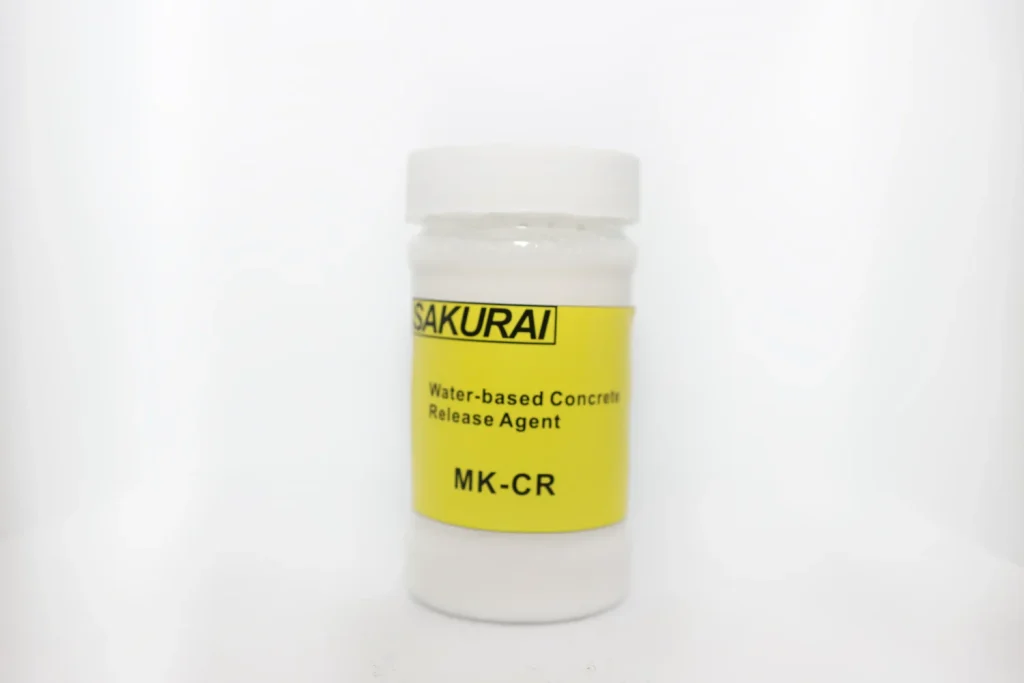
Water-based release agent (MK-CR) is especially suitable for concrete products. It offers excellent lubrication and stable demolding performance. You can either use the spray technique or manual brushing to apply it.
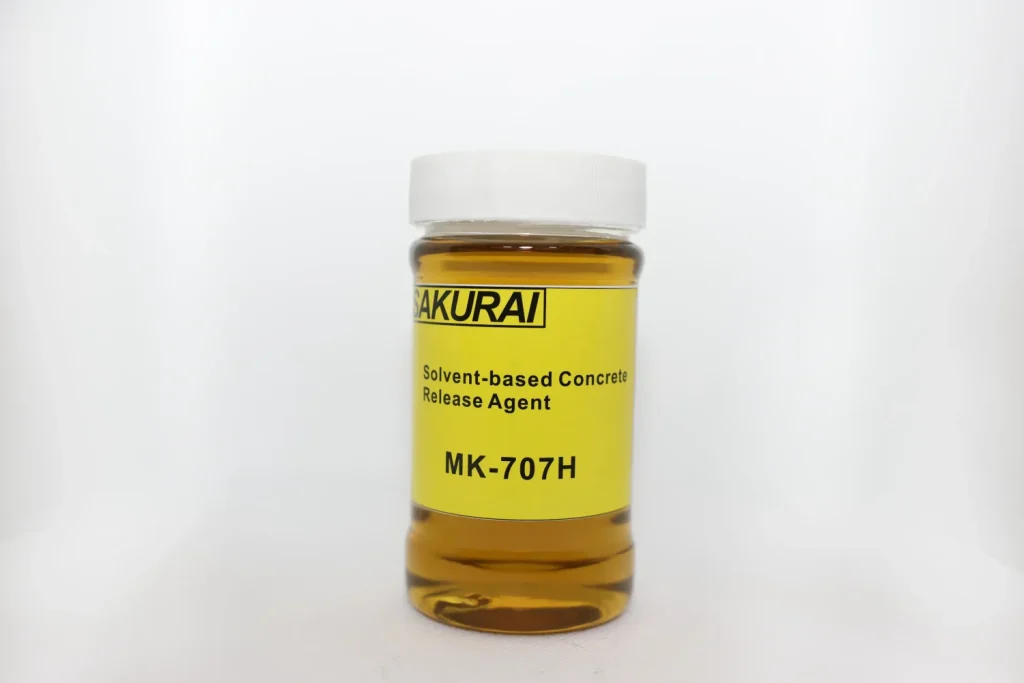
Oil-based release agent (MK-707H), on the other hand, is a more versatile option. It is ideal for use in high-demand releasing processes.
Both MK-CR and MK-707H release agents are widely used for concrete forms. If you need a quick quote or are interested in learning more, please contact us.