Choosing the right mold release agents is crucial to ensure high-quality parts. In this “Semi-permanent vs. Sacrificial Mold Release Agents” comparative guide, we will try to find out the pros and cons of each type. Both types have water-based and solvent-based versions. However, there are safety concerns with solvent-based versions. Therefore, we recommend that you understand how each type of release agent works before you jump into the main production.
What is Semi-Permanent Mold Release Agent?
One of the most common types of release agents is the semi-permanent version. Like other release agents, it also helps in removing parts from the mold easily. However, what makes it different is its properties and place of use. Unlike regular release agents, it doesn’t wear off quickly nor stick to the part. It creates a semi-permanent layer between the mold and the molding part. As a result, you can create parts multiple times, reducing per-part cost and increasing production speed.
The core materials used in this chemical are silicone, fluoropolymers, and wax or oil-based additives. These materials primarily ensure the RA adheres to the mold over multiple cycles. It doesn’t transfer to the part.

To use this release agent, first clean the mold. Make sure it is free of dust and old coatings. Next, apply the thin layer of the semi-permanent release agent. In this case, you can either use a spray or wipe the agent onto the mold. Then allow it to dry or, if needed, cure. Some agents need a few minutes to settle, while others may need heat to be applied to activate. Once done, start molding.
When applying the semi-permanent mold release agent, you must pay attention to a few factors.
(1) The layer thickness must be appropriate and thin for better results. Follow the manufacturer’s guidelines to ensure the desired layer thickness.
(2) The working temperature is crucial here. Check that the release agent works with the molding temperature.
(3) The type of release agents must align with or be compatible with the molded part material.
(4) Always ensure a clean mold surface to improve the adhesion and part finish.
(5) Choose the correct way of applying the release agent.
Advantages of Semi-permanent Mold Release Agent
Unlike other types of mold release agents, semi-permanent agents offer unique benefits. These pros make the chemical ideal for many applications.
(1) One of the crucial benefits of a semi-permanent mold release agent is its durability. It can last a long time. You can use it 4 to 30 times, or even more, depending on the type of RA you have. As a result, you can save time and material compared to other RAs.
(2) A semi-permanent mold release agent can be applied very quickly. You can either use the spray or the regular wiping method. As a result, you can ensure the preparation process is faster and easier for workers.
(3) These release agents can improve the appearance of molded parts. It can give the part surface a nice gloss or shine. As a result, it may reduce the need for extra polishing or finishing steps.
(4) Semi-permanent mold release agents can also handle high temperatures. The use of silicone in the composition allows it to operate up to 400 degrees Celsius. As a result, you can typically handle a wide range of plastics and resins.
(5) Semi-permanent release agents come with a wide range of different formulas. You can also customize it to your project’s needs. Some types focus on extra gloss, others on smoother release.
Limitations of Semi-permanent Mold Release Agent
Although semi-permanent mold release agents offer many benefits, it still has some limitations. You must consider both pros and cons to decide the best choice for your project.
(1) If you are a beginner or not sure about the right amount to use, things may go wrong. If you have applied too much, it can leave residue on parts. As a result, you may see defects in paint or glue.
(2) Unlike other RA, the semi-permanent release agent must be applied in the correct amount. This requires proper user training.
(3) Some complex or very rough molds may not bond well with the agent. As a result, it may make the parts stick.
(4) Semi-permanent mold release agents cost more than regular ones.
What is Sacrificial Mold Release Agent?
A sacrificial mold release agent is another popular type. It is also used in molding applications to ensure smooth part removal. As you know, semi-permanent mold release agent remains on the mold surface after the part removal for multiple cycles. However, sacrificial mold release agents do not stick to the mold. Rather, it comes off as part of the name, so the name is called “sacrificed.” So, you should reapply the release agents before making the next part.
Sacrificial release agents are often used for large items. You can also say that one-of-a-kind parts often use these RA. Besides, when the mold surface is rough or has some flaws, using Sacrificial RA helps a lot.
The elements used for this RA are paste waxes, PVA, silicone oils, and other wax or liquid blends. PVA typically forms a thin, protective layer. On the other hand, silicone oils reduce friction and facilitate part release. Other wax or liquid blends may improve gloss and coverage.
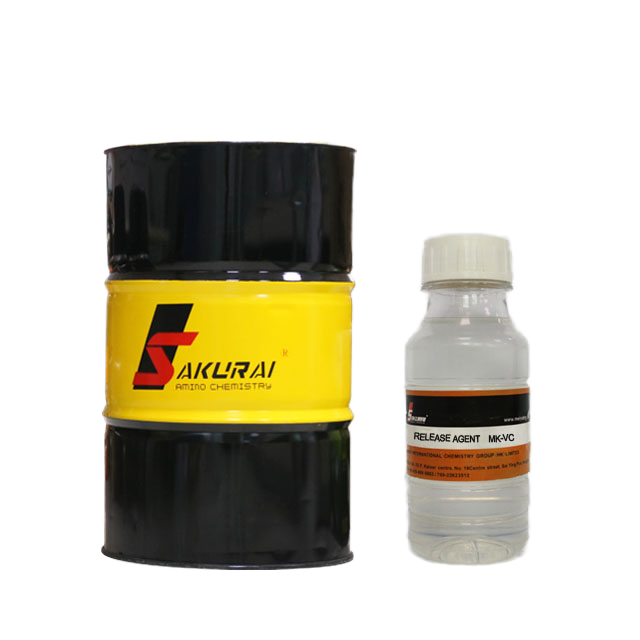
To use sacrificial release agents, first clean the mold. Try to ensure the mold is completely clean. Remove the dirt, dust, or old coatings from it. Then, apply the agent gently. You can use various methods, such as spreading, wiping, or spraying, to cover the mold surface evenly. Later, check the coverage simply by identifying the visual signs.
Critical Factors to Consider
When using sacrificial mold release agents, you must also consider several critical factors. First, you must ensure even application, or it can cause sticking or defects. Second, this RA works best on clean molds. If it has a rough surface, it may benefit from a wax filling to fill imperfections. Third, pay attention to the temperature; it must be suitable for the molding process, ranging from cold to hot. Finally, this RA is ideal for large, low-volume, or custom parts.
Advantages of Sacrificial Mold Release Agents
Sacrificial Mold Release Agents also offer a wide range of benefits compared to semi-permanent RA. These benefits make them ideal for specific applications.
(1) One of the greatest benefits of this RA is its cost. Sacrificial mold release agents are cheaper than semi-permanent ones. As a result, it is a good choice for small or custom parts.
(2) Sacrificial mold release agent is easier to use. You don’t need special training to get good results. All that matters is reducing mistakes and speeding up preparation. You can see a thin haze or shine on the mold to confirm whether it is done correctly.
(3) Some sacrificial agents can make your parts shinier and smoother. As a result, it reduces the need for extra polishing.
(4) Sacrificial mold release agents are suitable for both cold and hot molds. This flexibility typically makes them useful for different plastics and resins.
(5) Sacrificial mold release agents are good for rough surfaces. It fills small flaws, cracks, or uneven gel coats. As a result, it helps make the final part smooth and consistent.
Limitations of Sacrificial Mold Release Agents
Sacrificial mold release agents also have several limitations to check. That’s where the other types of release agents come in handy.
(1) Sacrificial mold release agents wear off completely when the part is removed. You must coat the mold again for each new part.
(2) Sacrificial mold release agents stick to the part surface during release. As a result, it may interfere with painting, gluing, or other finishing processes.
(3) Since you must reapply it every time the part is removed, the production speed becomes slower. High-volume operations may find it inefficient. As a result, it is not ideal for high-volume runs.
(4) If you apply too much wax or PVA, it may cause uneven layers. As a result, it may lead to defects or irregular surface finishes.
Semi-Permanent vs. Sacrificial Mold Release Agent: Safety Considerations
Modern semi-permanent mold release agent is generally safe to use. Many are now water-based, which reduces harmful fumes compared to older solvent-based versions. However, you must still ensure proper ventilation during the process. Besides, your workers must wear gloves and eye protection during use.
On the other hand, sacrificial mold release agents are usually low in toxicity. They are typically simple to handle and do not need special equipment. However, you must still care to avoid inhaling powders. Fumes may still happen if you heat wax.
Semi-Permanent vs. Sacrificial Mold Release Agent: Which is Best?
Mold release agents are essential in molding. Without it, you can not remove the part smoothly or ensure a high-quality finished part. However, choosing the right mold release agents is the most critical part here. Well, it all depends on your project needs, especially what materials you are working with. In this case, understanding the RA is the first step to making the decision.
In this “Semi-permanent vs. Sacrificial Mold Release Agents” comparative guide, you have learned all the foundational knowledge about these two release agents. You know their pros and cons. You also know the critical factors to consider when applying them.
Semi-permanent options are ideal for high-volume or precision molding. In this case, water-based versions improve safety and reduce environmental impact. On the other hand, sacrificial mold release agents are cheaper and simpler to use. It is especially ideal for custom and large parts.
Both release agent types need proper applications, clean molds, and protective measures for safety. If you have any questions, feel free to reach out to our customer support team.