Injection molding lets you create amazing thermoplastic and elastomer products. One of the most critical steps in this process is shaping the polymer melt inside the mold. During this step, pressure is applied to the material to fill every detail of the mold. Molten polymer naturally adheres to the mold surfaces. This is where a mold release agent for injection molding comes in.
Different materials need different release solutions. Some work best for plastics, while others may suit rubber or silicone. The types of mold release agents for injection molding also depend on the mold’s complexity. Thus, choosing the right mold release agent becomes critical.

What is Mold Release Agent for Injection Molding?
A mold release agent for injection molding is a special chemical that helps remove molded parts from the mold. Once applied, it forms a very thin layer between the mold surface and the polymer melt. This layer typically stops the plastic or rubber from sticking to the mold.
During injection molding, raw materials are heated until they become soft and tacky. The hot plastic is then pushed into a closed metal mold under high pressure. As it cools, it hardens into the final shape.
When the part cools, it can shrink onto the cores. Without a release agent, removing the part may be difficult. The part is likely to be damaged. The mold can also get damaged over time.
You can use a mold release agent for injection molding in various ways. You can either spray, wipe, or brush it on the mold.
Some RAs are used before production starts. Some may be added during the process. They can either be silicone-based or non-silicone-based RAs. Moreover, they can be water-based or solvent-based. The right type mainly depends on the material and application.
To produce pristine, smooth parts, you must use the right mold release agent for injection molding. Selecting the proper release agent dramatically cuts defects and scrap rates. This typically keeps your molds cleaner and extends cleaning intervals. Most importantly, it makes the process more stable, efficient, and reliable for everyday manufacturing.
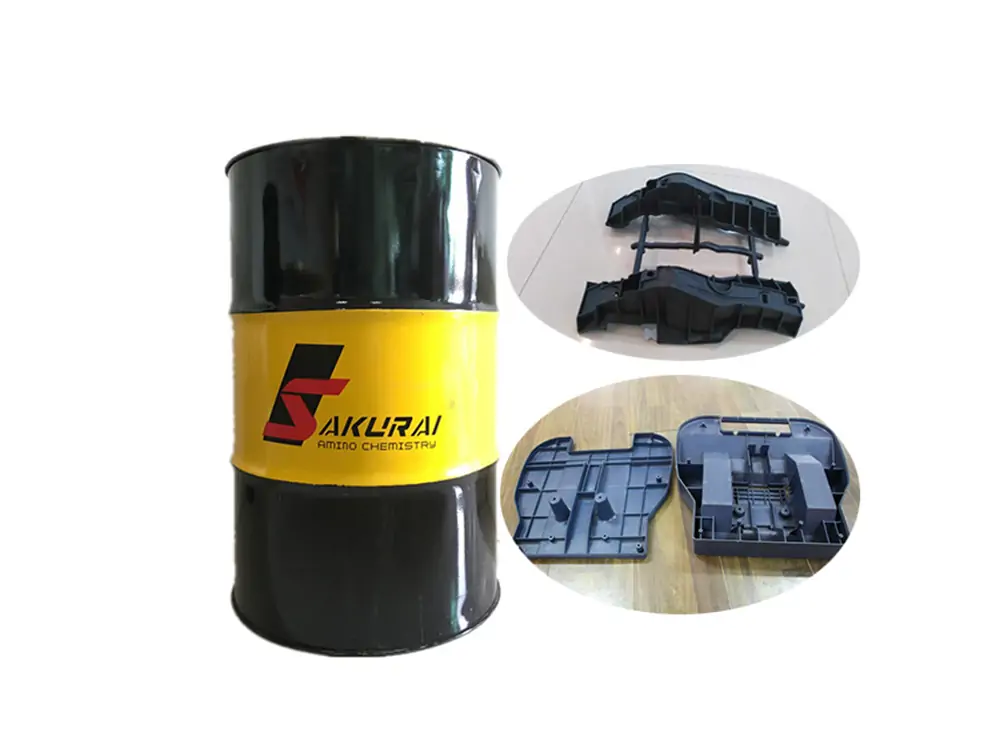
Overview of Injection Molding Materials and Types of Mold Release Agents
Injection molding is typically a versatile process. You may need to work with plastics, elastomers, polyurethane, or liquid silicone rubber. Each material behaves differently when heated and cooled. Mold release agents, in such cases, play a crucial role by smoothly removing the molded parts from the mold. As you know, different materials need different RAs.
1. Release Agents for General Plastic Injection Molding
Plastic injection molding is widely used for daily products. Common materials include ABS, PP, PE, PVC, nylon, and polycarbonate. Typically, each type of plastic melts and cools differently. Some stick more to the mold.
A mold release agent for plastic helps the part come out cleanly from the mold. It also improves the surface quality and reduces mold wear. Even after repeated production cycles, the mold stays cleaner.
2. Release Agents for Elastomer and Rubber-Like Injection Molding
Thermoplastic elastomers (TPE, TPV, TPU) and certain rubber compounds are commonly processed on injection machines. These materials become soft and sticky when heated and can firmly cling to the mold surface. A suitable mold release agent for elastomers makes the process easier by forming a barrier between the molded parts and the mold.
3. Release Agents for Polyurethane (PU) & RIM Molding
PU and reaction injection molding also use various types of RAs. There are options for silicone-based, non-silicone, and semi-permanent RAs. Silicone-based release agents are commonly used for PU molding. However, non-silicone ones are better when parts require painting or bonding afterward. Semi-permanent agents work well for long production runs. All of them are designed to reduce sticking and protect the mold surface.
4. Release Agents for Liquid Silicone Rubber (LSR) Molding
Liquid silicone rubber (LSR) is widely used in injection molding. LSR molding requires non-silicone release agents — typically PTFE-based, fluoropolymer, or water-based semi-permanent formulations. Silicone-based oils must be avoided as they inhibit platinum cure. Fluoropolymer releasers are especially effective for high-temperature work.
How Do You Choose the Right Mold Release Agent for Injection Molding?
Injection molding release agents can be of various types. If you think of injection molding materials, the list is not short. Besides, depending on mold shape, the types of injection-molding release agents vary. Each type is ideal for specific materials. The right RA can give the best results.
Identify Molded Material
Different materials need different RAs. Plastic, rubber, and silicone all behave differently when heated. Some raw materials may stick with the mold more than others. Here’s why choosing the right release agent for injection molding is essential.
Consider the Surface Requirements
The molded part’s surface also matters. If you want to ensure smooth or glossy surfaces, you might need a lighter releaser. If you look for textured or detailed surfaces, you will need more protection. The right injection molding release agent, consequently, also keeps the surface clean and shiny.
Mold Design and Complexity
Different mold shapes may need specific types of RAs. If you are working with simple molds, standard agents are generally enough. Complex molds may have thin walls or deep cavities. Simple, complex, or whatever setups are, all require unique injection molding release agents.

Production Volume
Production volume also matters when choosing the right type of releaser. For a small batch, you can spray or brush the agents onto the mold. For larger batches, you will need to do repeated production cycles. In these situations, you will need specialized chemicals, such as semi-permanent agents.
Silicone vs Non-Silicone Release Agents
Silicone mold RAs are ideal for sticky materials and for high-temperature applications. They are typically easy to apply. However, it may affect the painting or bonding later. Non-silicone injection-molding release agents are much better in this case. It prepares the surface for better painting or bonding later.
Water-Based vs Solvent-Based Release Agents
Water-based release agents are safer, easier to clean, and eco-friendly. However, they may dry more slowly and work less well at very high temperatures.
On the other hand, solvent-based release agents dry quickly and perform well at high temperatures. These agents can deliver a strong release. However, they have strong odors and pose safety risks. When you intend to handle it, you must be aware of some strict handling requirements.
How to Use Mold Release Agent for Plastic?
Using the mold release agent for injection molding must be done correctly. Otherwise, the molded parts may stick, break, or show surface defects. In practice, if you apply too much, it may cause stains, giving a poor surface finish, or creating several paint adhesion problems.
Clean and Prepare the Mold
Dust, debris, or trapped gases often degrade the quality of molded parts. Therefore, always remember to start the project with a clean mold surface. Later, remove the old release agent and make it ready for a new injection. You must also consider the RA drying time.
Pick the Application Method
Choose how you will apply the release agent. You can generally choose from various methods. Spraying is fast, though, and evenly covers large molds. You can also consider wiping; however, it might be suitable for small or detailed areas.
Brushing may help with deep corners. Pick a method that provides reasonable control and avoids excessive buildup on the mold.
Apply the Release Agent
When applying the RA, you must also be careful with the amount. Over-application is a common mistake for several cosmetic defects. So, try not to overapply and follow the manufacturer’s guidelines.
Checking During Production
Check the mold and parts during production. Look for sticking, stains, or surface marks. If problems appear, reapply a small amount of releaser. Do not apply too often. Regular checks help keep production steady and prevent damage to the mold and parts.
Follow the Manufacturer’s Instructions
As you know, polymer melts can be of various types. It may include either thermoplastic or elastomer. Each material used in this case requires a specific type of RA. Carefully choose the right chemical, and when applying, follow the manufacturer’s instructions.
Final Thoughts
Mold release agents play an essential role in injection molding. The right choice and correct use make a big difference. They help parts release easily and protect the mold. With proper selection and application, you can reduce defects, save time, and achieve stable, high-quality plastic production.
If you have any questions, feel free to reach out to our customer support team