
Tires typically support a vehicle and provide traction on the road. Their main purpose is to ensure a smooth and safe ride. Have you thought about how these tires are made? Tire manufacturing involves several key processes. Rubber molding is one of the most common methods. Consequently, the rubber release agents for tire molding are a crucial element of the process.
During molding, heat and pressure shape the rubber into the required tire design. Once it reaches the exact shape of the mold, you need to remove it. You must ensure the mold is not sticking to the tire. If it does, it may damage the surface or the mold itself. This is where rubber release agents for tire molding come in.
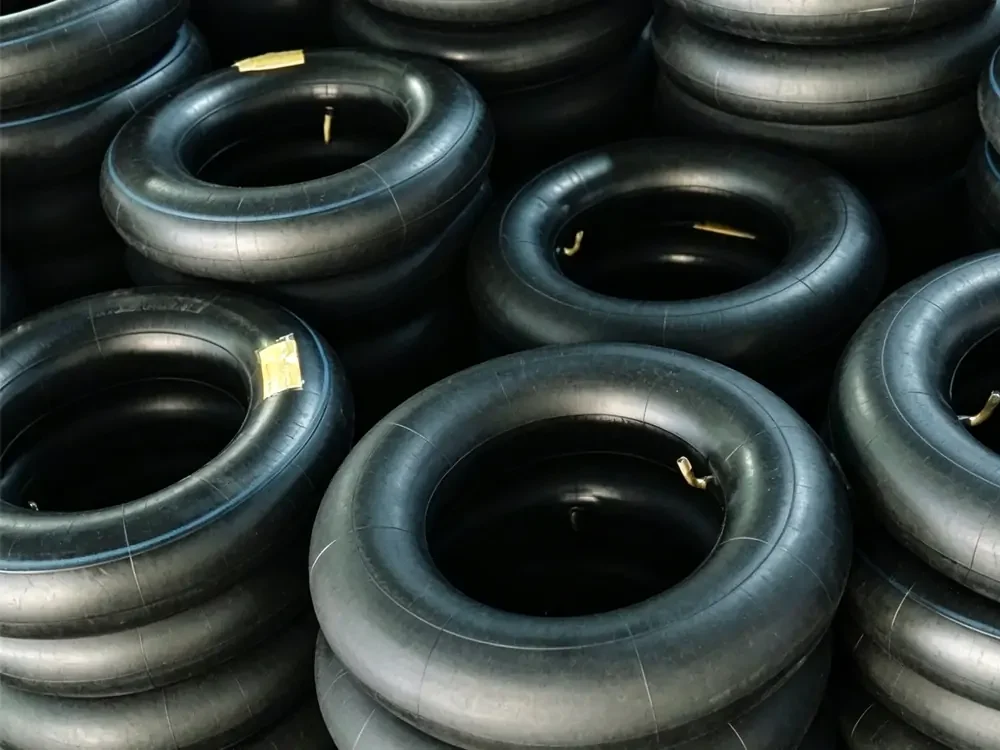
Understanding the Role of Rubber Release Agents for Tire Molding
Rubber release agents for tire molding are chemical formulations that create a physical barrier between the mold and the rubber. They pass through the mold surface, creating a thin film for separation. These coatings prevent stickiness in molded parts that can cause later damage. Without these layers, the tire might attach to the mold and tear during removal.
These agents can work through both chemical and physical action. Some agents form a thin film on the mold. Others react with the mold surface. Their main purpose is to enable safe, smooth release after curing. Beyond the tire industry, these agents serve other sectors, such as automotive and aerospace. Overall, they have wider applications.
Release Efficiency
The main purpose of a release agent is to ensure seamless separation and smooth release. It prevents rubber tearing, pinching, and physical deformation during demolding. The reliable barrier also reduces the risk of sticking and eliminates waste.
Surface Quality
A rubber mold release agent allows smooth rubber flow into complex and thread designs. When you use the right mold release agent for rubber, there is zero chance of marks, bubbles, or rough spots being generated. It gives the tire a smooth, clean finish every time.
Production Speed
Using the right rubber release agents for tire molding enables quick demolding and faster production cycles. Choosing an automated spray method instead of manual wiping keeps the production line running and completes the task faster. Fewer interruptions also lead to higher daily tire yield.
Mold Longevity
The release agent eliminates the risk of thermal stress and rubber buildup on the steel mold. Besides, it protects aluminum and steel molds from oxidation. This helps molds last longer and reduces costly repairs and replacements.
Cost Control
Using an efficient, concentrated release agent helps achieve the perfect dilution ratio. As a result, it drastically reduces chemical consumption. This reduces material waste and improves mold lifespan, increasing profitability.
How to Choose the Right Rubber Release Agents for Tire Molding?
There are several reasons you should choose rubber release agents for tire molding. However, choosing the right one may not be easy. It depends on the rubber type, mold design, safety requirements, and more. Every manufacturer must consider these factors when choosing a rubber release agent for tire molding. A wrong choice can cause defects, slow down production, and add extra charges.
Choosing the Right Type of Rubber Release Agent
Selecting the right type of rubber release agent is a vital decision. As mentioned earlier, some crucial factors drive the selection. In addition, you may see many options and varieties of release agents on the market. Understanding them properly is necessary. Here is a breakdown of each type to help you decide.
-
Silicone-based Agents
Silicone release agents use silicone oils as the main ingredient to form a slick barrier on the mold surface. This agent offers smooth release, heat resistance, and strong slip properties. They are primarily used in high-temperature tire molding and in complex-patterned treads. Overall, they suit high-volume production processes.
-
Wax-based Agents
Wax-based agents are usually made from natural or synthetic wax emulsion. They create a thin, strong barrier between the rubber and the mold. This thin physical film also prevents stickiness. Wax-based agents are cost-effective and ideal for simpler and less complex mold designs. They are easy to apply and work effectively on low-temperature tire molding.
-
Semi-Permanent
Semi-permanent release agents are chemically prepared solutions. They form a very thin, hard layer on the mold surface. One application can last for several cycles. Thus, it reduces downtime and prevents build-up on complex molds. This feature is vital and is best suited to high-volume projects.
-
Water-Based Agents
Water-based agents are a popular option. They use water as the main carrier instead of using harsh chemical solvents. They are safer, more eco-friendly, non-flammable, and produce zero VOCs or toxic fumes. Modern factories use it for interior and exterior tire painting.
Rubber Type
Different types of rubber compounds are used in tire molding. Each rubber reacts differently with different release agents. Each type requires particular release agents. For example, natural rubber, synthetic polymers, and silica-filled treads need distinct chemical barriers. Using the wrong agent causes poor adhesion and degrades product quality. Always match the chemical formula to your specific compound.
Mold Material
Molds are usually made of steel, aluminum, and other materials. Mold materials also work well with release agents. Steel molds withstand harsh chemicals, while aluminum molds may react with them and wear out quickly. For this reason, a release agent is essential to protect the surface without causing corrosion or rust. A compatible agent improves quality and mold lifespan.
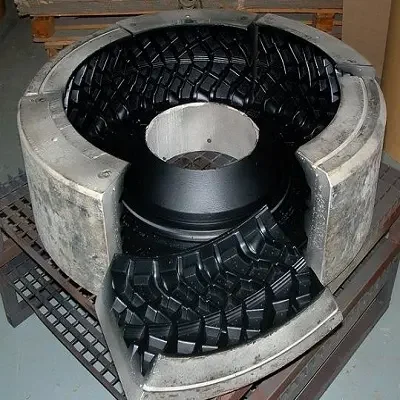
Curing Time & Temperature
The tire curing process involves high heat and extreme pressure. The release agent must remain stable throughout the entire process. Otherwise, if it burns, it might leave sticky residue that increases downtime. To avoid such problems, use a high-thermal agent that can withstand extreme heat conditions and vulcanization cycles.
Application Method
You can apply the release agent with a spray, a brush gun, or by hand. The spray method is ideal for large-scale setups, and the brush method suits small batch orders. In this case, make sure your liquid viscosity and drying time match your specific application setup. The right method might ensure even coverage of the entire surface. This way, it reduces material waste and production time.
Surface Finish
The rubber release agents for tire molding directly affect the final look of the product. They prevent air gaps, blemishes, and weak spots on the surface. Finishing matters a lot for both functionality and appearance. A good release agent provides clean, consistent results on every cycle. It avoids marks and rough spots on the tire.
Safety Rules & Compliance
Before choosing a release agent, you must consider its safety protocols and manufacturing standards. You should also consider factory safety and environmental concerns. Rubber release agents must have low VOC content and meet ISO and other international standards. Ultimately, a safe product reduces health risks and compliance issues.
Cost Effectiveness
Price is always an important factor. But cheap agents are not always the best option. Look at the value and customer reviews to meet your project goal. Don’t focus only on price. Check how long the agent lasts and how much you need per use. Here, you also need to balance price, performance, and reliability.
Recommended Rubber Release Agent for Tire Molding
The Amino MK-TL is a specialized water-based release agent designed for inner tire demolding. It provides a uniform, thin film on the mold surface. This product is designed for use in tire vulcanization. Manufacturers engineered it for butyl rubber bladders. With it, you can easily achieve high-quality, defect-free products.
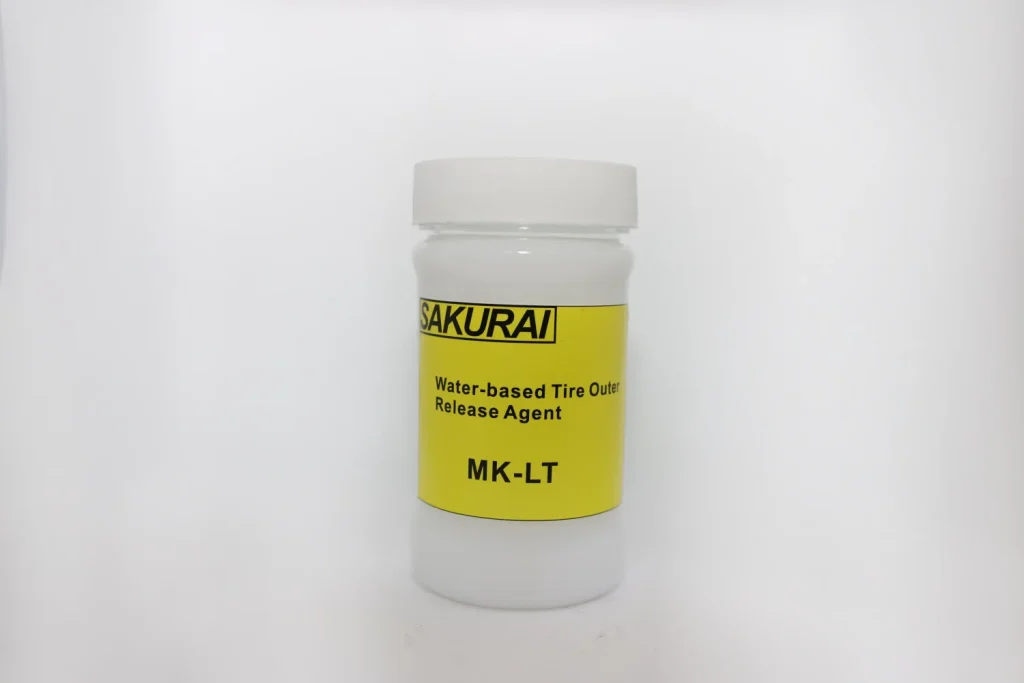
It looks like a milky white liquid and works similarly to other release agents. MK-TL forms a thin, even film between the rubber and the mold. It offers fine lubrication and stops the rubber from sticking during curing.
You can apply it easily with automated spray guns or by hand. Since it is water-based, it does not leave any oily residue on mold surfaces. These rubber release agents for tire molding also offer additional advantages. Remarkable features include superior heat resistance, safety, and eco-friendliness. It also works well for multiple vulcanization cycles simultaneously.
The inner tire demolding MK-TL is suitable for a wide range of applications. It is mainly used for the butyl rubber bladder in tire vulcanization. Operators generally apply it inside the green tire.
Conclusion
This article provides a clear overview of how to select the best rubber release agents for tire shaping. The right chemical formula delivers clean results, protects your molds, and improves manufacturing efficiency. Evaluate all the essential factors mentioned above. From rubber types and release agents to curing and safety regulations, you cannot skip any of them. Otherwise, it might lead to costly production defects and losses for your business.
If you need any further help regarding rubber mold agents, contact us now. Don’t hesitate to reach out. Get your questions answered by our expert teams. They are always ready and happy to help you make the best decisions. So, what’s stopping you? Embrace modern solutions to achieve optimal outcomes.