
Today, composites are one of the most widely used materials in injection molding. However, working with them is not as simple as with other materials. Why? The reason lies in their sticky nature, which makes them prone to sticking to the mold. To resolve this issue, composite release agents come into the scene. However, many don’t completely understand them. That’s where this ultimate guide to composite release agents will help.
Remember, if a material sticks to the mold during injection molding, it can later cause serious problems. For example, the final products will have serious defects and perform poorly. That’s why manufacturers rely on release agents. But if you are new to this term, it might feel confusing. But worry not! In this guide, I will explain everything about composite release agents. So let’s get started.
What Is a Composite Release Agent?
Before starting anything, let’s first understand the composite release agents.
A composite release agent is a special substance used in molding. It is applied to a mold surface to stop composite materials from sticking to it. Basically, the agent creates a thin, protective layer between the mold and the final product. As a result, it becomes easier to remove the composite part once it has cured.
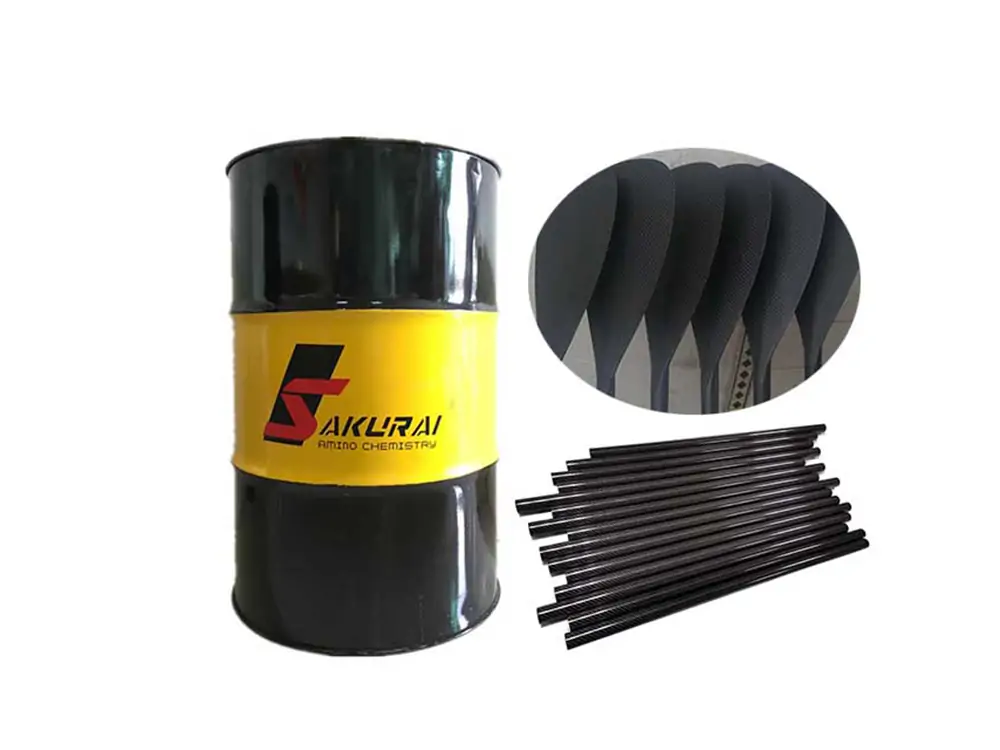
In simple terms, a release agent acts as a separator between the mold and the material. Actually, when you make a composite product through injection molding, you pour a liquid resin into the mold. However, a composite naturally forms a tight bond with any surface it contacts.
That’s why, during curing, it also forms a bond to the mold surface. That’s why manufacturers apply a layer of release agent before pouring the composite resin. Without a release agent, it would be almost impossible to remove the final product. It reduces surface adhesion and prevents chemical bonding between the mold and the composite.
Why Are Release Agents Important?
From the above section, you can see that composite release agents are very crucial in composite manufacturing. Without them, the whole process can become difficult, messy, and expensive. But that’s not all. Let’s find out more reasons that make the release agents stand out.
- Easy & Safe Removal: As I mentioned above, composite materials adhere tightly to the mold when they harden. That’s why it becomes very difficult to remove and causes defects in the final parts. However, the layer of these agents acts as a separator, preventing them from sticking.
- Protect the Mold from Damage: As you know, molds are very expensive. They need to be used many times. However, if the composite sticks to the mold, it will be damaged if you force it out. That’s why the release agent reduces direct contact and protects the mold from damage.
- Saves Time & Reduces Effort: When a part sticks to the mold, it takes extra time and effort to remove it. Sometimes, you may even need to redo the whole process if the part gets damaged. All this wastes your time and requires effort. However, a release agent prevents all this by making part removal easier and faster.
- Reduces Material Waste & Cost: Suppose a composite part sticks tightly to the mold. When you try to remove it forcefully, the part may be damaged. This material will be wasted, increasing the overall cost. However, a release agent makes it very easy to remove the part, reducing material damage and waste.
Types of Composite Release Agents
After understanding the basics of release agents, you should know that they come in various forms. All of those have their own features, benefits, and limitations. Before you get started, it is crucial to understand the main types of composite release agents to choose the best one.
1- Wax-Based Release Agents
The most commonly used and traditional type of composite release agent is a wax-based one. As the name suggests, this release agent is made from a special wax. When you apply its layer to the mold, it fills the mold’s tiny pores and smooths its surface. After curing, it forms a shiny, non-sticky layer that entirely prevents the composite material from seeping.
What further makes the wax release agents is their non-reactive nature. It does not chemically react with composite or mold, but acts as a physical barrier. So you don’t have to worry about changes to your final part’s properties. But remember, wax-based release agents form a very thin layer that wears out quickly. That’s why you must apply multiple layers of this release agent to make it strong.
2- PVA (Polyvinyl Alcohol) Release Agents
The second type is liquid, water-based PVA release agents. Unlike wax, PVA does not stay invisible. Instead, it dries into a light, plastic-like layer that you can often see. So, to apply it, first spray the PVA release agent onto the mold surface.

After that, apply UV light and let it dry. Once dried, PVA forms a strong and durable protective layer. Now, when you pour a composite into the mold, this layer will act as a barrier, preventing it from sticking. The best thing about the PVA release agent is its reusability. Once you remove the final product, you can wash it with water and use it for at least the next composite part.
3- Semi-Permanent Release Agents
A semi-permanent release agent is one of the most advanced types, often used in the professional making of composites. What makes this type unique is that it forms a chemical bond with mold but a physical bond with the composite. Let me explain it. Actually, these release agents are made from special materials, such as fluoropolymers.
These materials, when applied to the mold, form a chemical bond with the mold surface. That’s why you don’t have to reapply the release agent over and over; it stays part of the mold. On curing, it forms a non-sticky layer that acts as a physical barrier with the composite you pour. The composite material does not stick to the mold, and the parts come out smoothly with less effort.
4- Water-Based Release Agents
Another eco-friendly, safe, and easy-to-use option in release agents is water-based release agents. As you can see, all the above types are made with harmful chemicals that are difficult to handle. However, this release agent type is made with water-soluble polymers or resins. When you apply it to the mold surface, the water evaporates, forming thin protective layers.
This layer acts as a physical barrier, preventing the composite from sticking to the mold. Also, after its removal, you can easily wash it away from the mold with water. But remember, these release agents form very thin layers. This layer cannot withstand high temperatures. That’s why you have to be very careful to prevent the composite from seeping into the mold. To avoid this, always apply multiple layers and test before major production.
5- Solvent-Based Release Agents
Solvent-based release agents are a special type made with chemical solvents, i.e., organic solvents. You might know that the release agents generally contain active ingredients. These ingredients actually prevent the composite from sticking. So it is the chemical solvent that quickly dissolves those active ingredients.
During drying, the solvent evaporates, leaving behind a thin layer. This layer now acts as a physical barrier, preventing the composite from sticking. But know that the solvent-based release agents release harmful fumes. That’s why, when applying them, always work in a well-ventilated area and wear a mask.
How to Apply Composite Release Agents: Step-by-Step Guide
Now you know how to use common composite release agents and their types. Right? Now, you must know that applying these agents correctly is very crucial. Even if you choose the right release agent, applying it incorrectly can cause composites to stick and damage the final part. So before you get started, here are the steps you must follow.
Step 1: Clean the Mold Thoroughly
First of all, you must do a deep cleaning of the mold before applying the composite release agent. Remember, if there is any residue, dust, oil, or anything else, the release agent will peel off. To prevent all this, use a soft cloth and mild detergent or a mold cleaner. After you are sure all residues are removed, wash it with water. After that, let the mold completely dry.
Step 2: Choose the Right Release Agent
As I said above, you will find several types of composite release agents in the market. Also, you know that all of those have different features. So you have to make an informed decision about the right release agent. For this, always keep your project’s requirements in mind. For example, if you are a beginner and working on small projects, wax-based or water-based agents are ideal. However, for complex molds, you can use PVA or a solvent-based release agent.
Step 3: Apply the Release Agent & Let It Dry
Now that you have chosen the release agents, the next step is to apply them. Generally, the application of the release agent mainly depends on its type and nature. Let’s suppose you are using wax or water-based release agents. In this case, you have to apply them with a soft cloth, rubbing in a thin, even layer.
However, for semi-permanent or solvent-based release agents, you have to spray them to form a thin layer. Once applied, let it dry. If you pour the composite onto a wet release agent too quickly, its effectiveness will be ruined. On average, it takes about 30 minutes to dry a release agent. However, using the curing method can speed up this process.
Step 4: Apply the Composite Material & Inspect
Now that the release agent is fully dried and ready, it’s time to pour the composite. When you apply the composite, you need to consider some things. For example, make sure that it sits on top of the release agent and does not touch the mold. Also, look for any leaks or patches. When all is set, let the release agent do its job. On curing the composite, you will be able to release it easily.
How to Choose the Right Release Agent for Composite?
Even if you know the types of release agents, several beginners still get confused about their selection, and that’s normal. Are you also one of them? If so, worry not! In this section, I will outline some factors to consider when choosing a release agent for your project.
- Type of Mold: First, identify the type of mold you are using. Molds can be made from metal, silicone, fiberglass, or plastic. The release agent behaves differently with all of these mold materials. For example, PVA works well with molds like fiberglass. However, semi-permanent or solvent-based agents are better for metal molds.
- Production Volume: The number of parts you plan to make also affects your choice. If you are making a few parts, wax or water-based agents are usually sufficient. For repeated use or large-scale production, semi-permanent or solvent-based release agents are better.
- Surface Finish Needed: The finish you want for your final product also matters. For instance, if you want a smooth, shiny finish, I suggest choosing a semi-permanent or solvent-based agent. However, for a standard or matte finish, you can use a wax or PVA release agent.
- Safety and Environment: Lastly, while choosing the release agent, also consider its safety and toxicity. Remember, solvent-based agents are very effective but can release harmful fumes. That’s why you choose them when you have a properly ventilated working space. However, water-based release agents are very eco-friendly. You can even work with them indoors.
Conclusion
Composites are considered highly effective materials due to their additional properties. However, working with them during injection is not simple. Due to their bond-forming nature, they can stick to the mold. When you try to remove the composite part, it can get damaged. To resolve this issue, release agents play a key role.
These are specialized substances that create barriers between mold and composite material. As a result, they prevent the composite from sticking and make its removal easier. You will come across several types of release agents. However, choosing the right one and applying it correctly is the key.